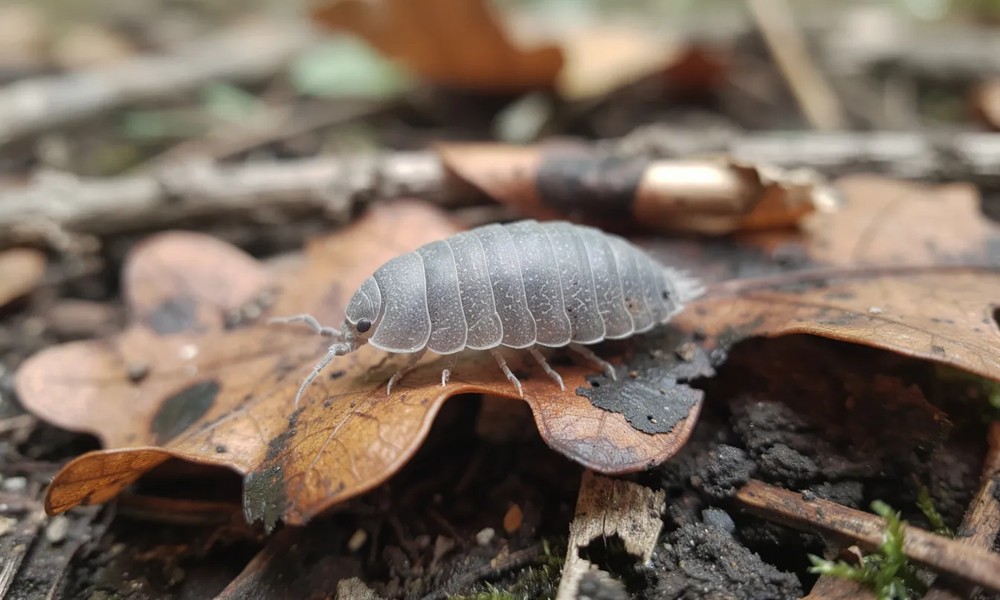
A healthy soil ecosystem occurs when the small organisms are also involved in the decomposition of soil. The isopods are an important decomposer organism amongst farms areas. They help to quickly transform manure into useful nutrients. Farmers doing their own “engineering” to improve their soil notice enhanced results in soil areas where these creatures are found. Super recognition of how they affect soil allows for better and more efficient soil environments.
Manure Breakdown Efficiency Influenced by Isopods
Isopods interact with manure piles continuously, enhancing microbial activity and nutrient availability. Their movements fragment waste, allowing faster absorption by soil organisms.
- Organic matter decomposes faster due to isopod feeding habits consistently
- Soil moisture increases slightly where isopods are active naturally
- Microbial populations multiply quickly, accelerating nutrient recycling rates
- Waste particle size reduces, making nutrients more accessible to plants
- Regular isopod presence improves overall soil texture around the farm
Soil Microorganisms Benefiting from Isopod Activity
Isopods create small channels and surfaces that host beneficial microbes efficiently. Microorganisms thrive in these microhabitats, increasing overall soil fertility.
- Bacterial colonies expand rapidly in decomposed manure areas frequently
- Fungi develop effectively on fragmented organic matter regularly
- Nitrogen-fixing microorganisms benefit from nutrient-rich zones created naturally
- Soil aeration improves microbial respiration and metabolic functions easily
- Microhabitats promote diverse microbial species, contributing to farm sustainability
Enhancing Nutrient Recycling Through Soil Fauna
The continuous movement of isopods supports the distribution of minerals evenly across soil surfaces.
- Phosphorus becomes readily available for plant root uptake consistently
- Potassium levels increase gradually within the upper soil layer naturally
- Carbon compounds transform efficiently, supporting soil microbial communities quickly
- Essential trace minerals disperse evenly, preventing localized nutrient deficiencies
- Organic waste turnover ensures nutrient availability for upcoming planting seasons
Isopod Population Density Affects Decomposition Rate
Higher densities of soil isopods correlate with quicker organic matter breakdown.
- Denser populations fragment manure rapidly, improving soil nutrient content
- Active individuals spread microorganisms efficiently throughout decomposed material
- Manure volume reduces significantly over weeks when isopods thrive
- Nutrient cycling efficiency improves in consistently maintained soil ecosystems
- Waste odour decreases due to faster decomposition and organic transformation
Environmental Conditions Supporting Isopod Activity
Temperature and humidity levels directly influence isopod performance in waste management.
- Moderate humidity enhances movement and feeding efficiency for soil creatures
- Cooler temperatures slow decomposition but maintain organism survival temporarily
- Warmer climates accelerate nutrient breakdown without harming isopod populations
- Shade protects isopods from direct sunlight, maintaining consistent activity
- Soil pH slightly affects habitat suitability for sustainable manure processing
Soil Health Insights
Observation shows that proper isopod management increases crop growth and productivity consistently. Soil ecosystems improve over seasons with minimal intervention.
Dairy Cow Isopods Contribution
Good farm management involves the incorporation of dairy cow isopods to utilise manure efficiently to boost fertility, in a sustainable way. Regular intensive tillage changes the soil’s composition and improves its structure, keeps nutrients available to plant life, and increases the effectiveness of the ecosystem. Regular isopod activity ensures a better utilization of the manure and leaves by the farmers and a resulting higher nutritional value of the pasture.