Key Takeaways
- Check-up frequency varies depending on the species, age, and health status of a pet.
- Puppies, kittens, and senior pets usually require more frequent veterinary visits.
- Rabbits, birds, and reptiles benefit from routine wellness examinations even when they appear healthy.
- Regular check-ups help identify health issues before they become serious.
- Building a relationship with a vet near you supports consistent preventive care throughout your pet’s life.
Introduction
Routine veterinary care is an important part of responsible pet ownership. While many owners visit a clinic only when a pet appears unwell, regular check-ups allow health issues to be detected and managed early. The ideal schedule depends on the type of pet, its age, and any existing medical conditions. Dogs, cats, small mammals, and exotic pets all have different healthcare requirements. Knowing how often your pet should be examined by a vet near you can help maintain its well-being and reduce the risk of preventable health problems.
Dogs Require Different Care at Different Life Stages
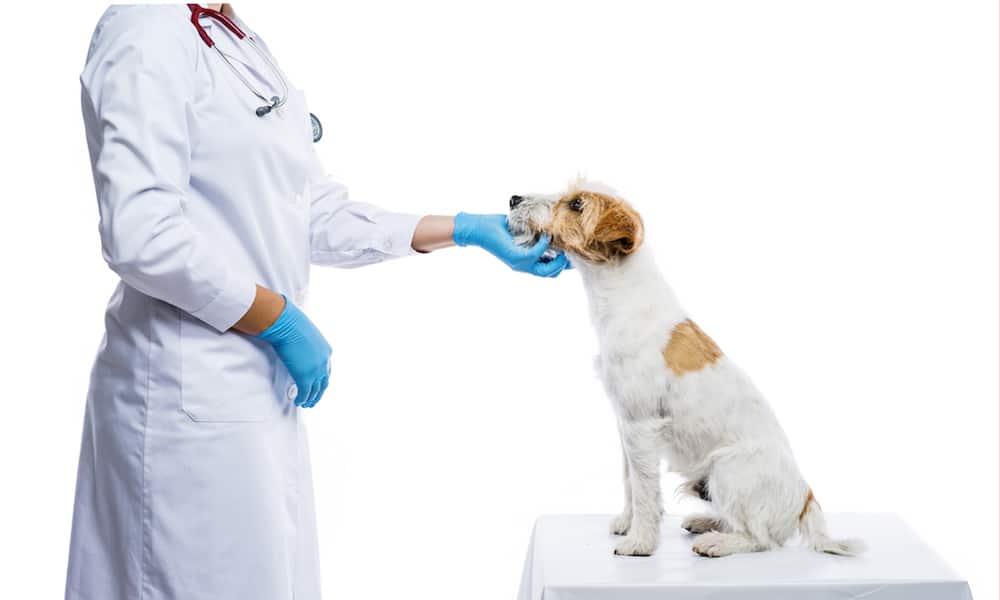
Dogs generally benefit from annual health examinations once they reach adulthood. These visits allow veterinarians to assess weight, dental health, mobility, heart function, and overall condition. Vaccinations and parasite prevention programmes are also reviewed during routine appointments.
Puppies require more frequent visits during their first year. Multiple appointments are needed for vaccinations, growth monitoring, and preventive treatments. These early consultations also provide opportunities to discuss behaviour, nutrition, and general development. That said, for healthy adult dogs, yearly examinations are often sufficient, although pets with chronic conditions may require additional visits throughout the year.
Cats Benefit from Regular Monitoring
Many owners assume indoor cats need fewer veterinary appointments because they spend most of their time inside the home. However, indoor cats can still develop obesity, dental disease, kidney problems, and arthritis. Cats are also known for hiding signs of illness, making routine examinations particularly important.
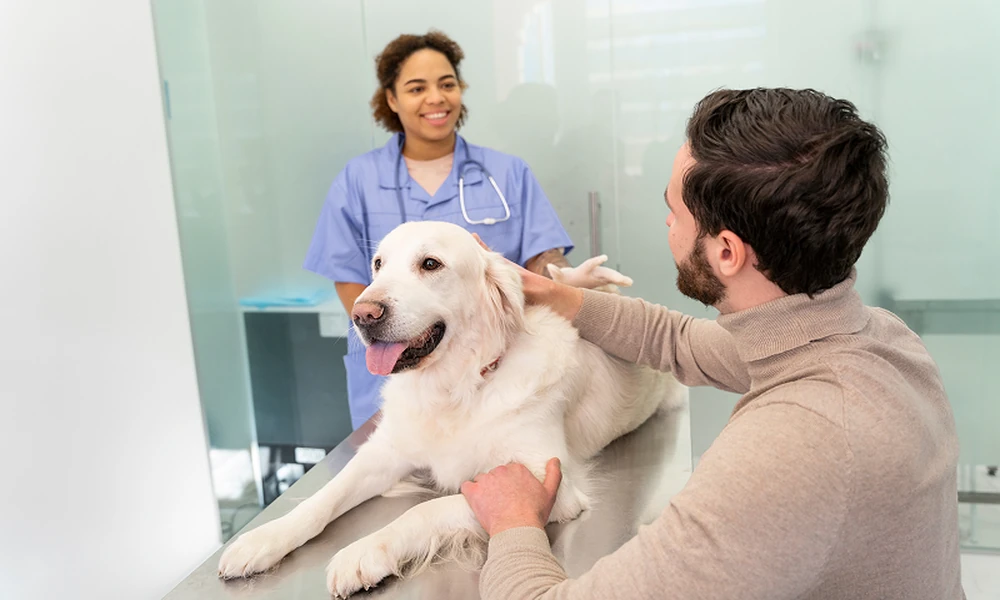
Most healthy adult cats should visit a veterinarian once a year. These appointments help identify subtle changes that may otherwise go unnoticed. Kittens require a series of visits during their first year for vaccinations and developmental assessments. Scheduling regular appointments with a vet near you helps ensure that potential health concerns are addressed before they progress.
Small Mammals Need Preventive Health Checks
Rabbits, guinea pigs, hamsters, and other small mammals often conceal signs of illness until conditions become advanced. This instance makes preventive healthcare especially important. Annual examinations allow veterinarians to evaluate weight, dental health, nutrition, and general physical condition.
Rabbits are particularly prone to dental problems that may not be obvious to owners. Digestive issues can also develop quickly if not detected early. Regular veterinary visits provide an opportunity to identify these concerns and recommend treatment before they become more difficult to manage.
Exotic Pets Have Unique Healthcare Needs
Birds, reptiles, amphibians, and other exotic pets require specialised veterinary attention. Many of these animals naturally hide symptoms of illness, which can make health problems difficult to recognise without professional examinations.
Annual wellness visits are recommended for most exotic pets. During these appointments, veterinarians assess diet, habitat conditions, weight, and overall health. Some species may require additional monitoring depending on their specific care requirements. Consulting a vet near you who is familiar with exotic animals can help owners provide appropriate long-term care.
ALSO READ: Popular Bird Breeds in Singapore
Senior Pets Should Be Seen More Frequently
Meanwhile, as pets age, they become more susceptible to chronic conditions such as arthritis, heart disease, diabetes, and kidney disorders. Due to this reason, many veterinarians recommend health examinations every six months for senior pets.
More frequent check-ups allow changes in health status to be identified earlier. Veterinarians may also recommend blood tests or other diagnostic screenings to monitor age-related conditions. Early detection often improves management options and helps maintain the quality of life for ageing animals.
Conclusion
The ideal veterinary schedule depends largely on the type of pet and its stage of life. Healthy adult dogs and cats typically require annual examinations, while young, senior, and exotic pets often benefit from more frequent monitoring. Routine visits support preventive care, allow early disease detection, and help owners make informed decisions about their pet’s health. Maintaining regular appointments with a vet near you is one of the most effective ways to support a pet’s well-being throughout its lifetime.
Contact Paws N’ Claws to access a healthcare plan tailored to your pet’s specific needs.