You might be feeling that quiet worry that comes when your pet is not acting like themselves. Maybe they are moving slower, pulling away when touched, or looking at you with that tired expression that says something hurts, even if they cannot say it out loud. Before pain enters the picture, daily life feels easy. After it shows up, every step, meal, and nap can feel loaded with concern. The good news is that an animal hospital in Texas City, TX can play a central part in easing suffering, finding the cause, and building a plan that protects both comfort and safety. In simple terms, good pain care is not just about giving medicine. It is about assessment, monitoring, and adjusting treatment as your pet changes.
Why does pain in pets get missed so often, and where do animal hospitals fit in?
Pain in animals can be hard to spot because pets are skilled at hiding it. A dog may still wag its tail while dealing with arthritis. A cat may stop jumping onto the couch, and that small change can be the only clue. Because of this, many families wait, hoping the issue will pass, while the pet keeps adapting around discomfort.
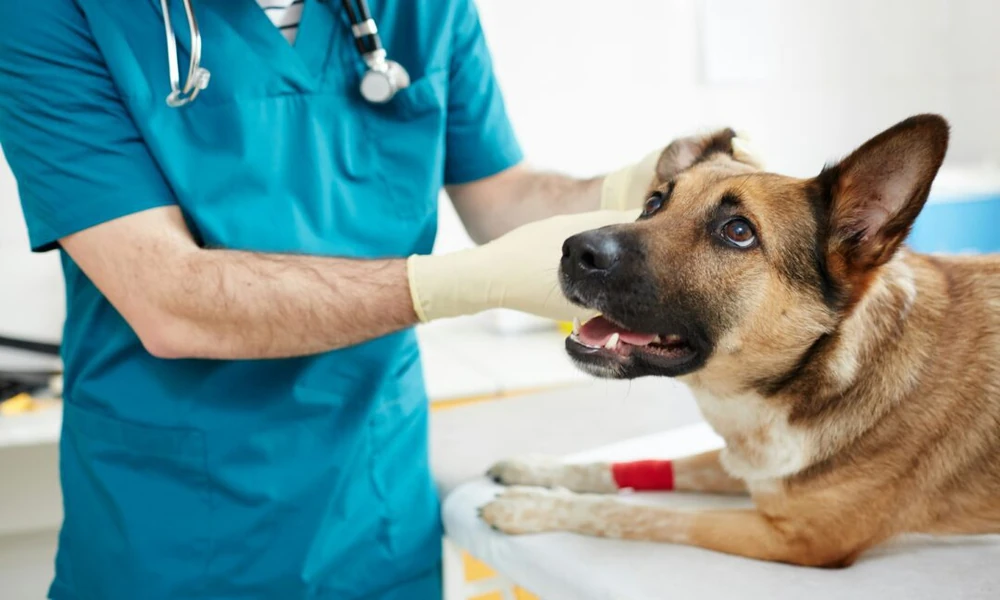
That is where animal hospitals in pain management strategies matter so much. A hospital team does more than respond to obvious injury. They look for patterns, ask about sleep, appetite, movement, and behavior, and connect those signs to possible sources of pain. Pain can come from surgery, dental disease, joint problems, injury, cancer, nerve issues, or inflammation. If the cause is not clear, the plan can miss the mark.
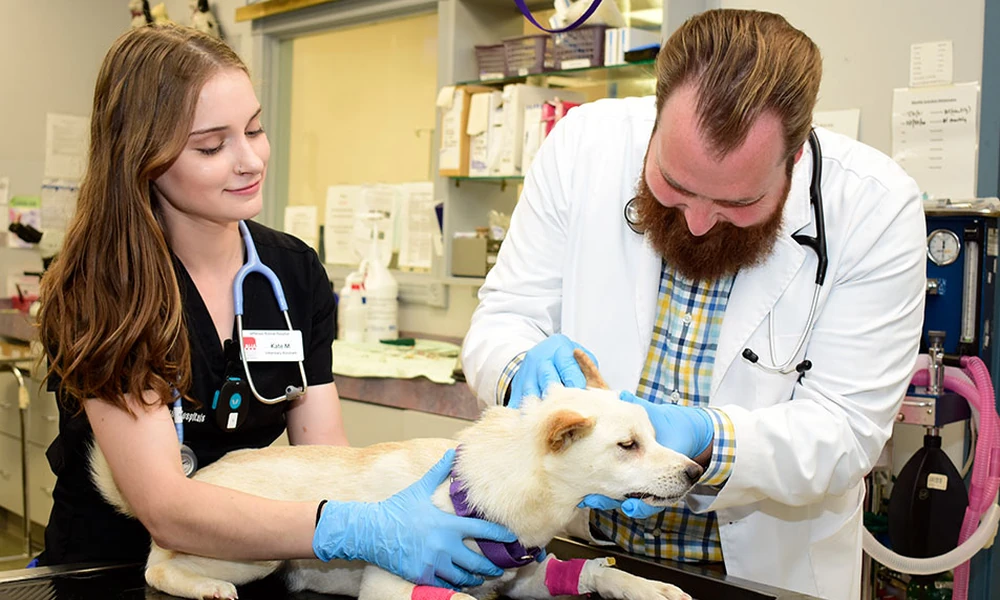
So, what changes when a hospital is involved? First, there is structure. Veterinary teams often use pain scoring tools, physical exams, imaging, lab work, and careful follow up to understand what your pet is dealing with. Cornell’s work in anesthesia and pain medicine shows how closely pain control is tied to safe procedures, recovery, and quality of life.
What makes veterinary pain control more complex than just giving medication?
It is tempting to think pain relief is simple. If the pet hurts, give something for pain. But this is exactly where trouble can start. Different species handle drugs differently. Age, weight, kidney function, liver health, breed traits, and current medications all affect what is safe. A treatment that helps one dog may be wrong for another, and human pain relievers can be dangerous for pets.
Because of this tension, you might wonder what a thoughtful plan actually looks like. Usually, it includes layers. A veterinarian may combine medication, activity changes, weight support, physical rehab, surgical care, and home adjustments. This is often called a multimodal approach, or more simply, using several tools together so one drug does not have to do all the work.
For example, a dog recovering from orthopedic surgery may need short term opioid pain relief, an anti inflammatory drug, cold therapy, and restricted exercise. A senior cat with arthritis may need a different path, one focused on long term comfort and regular reassessment. Research on veterinary pain management has continued to support tailored care rather than one size fits all treatment, as discussed in published pain management findings.
This is also why veterinary pain management is not only a medical issue. It becomes emotional and financial too. You want your pet comfortable, but you also want to avoid side effects, repeat visits, and treatments that do not help. A hospital helps reduce guesswork, which can save stress and sometimes money over time.
How do animal hospitals balance pain relief, safety, and long term care?
The best plans balance relief with monitoring. Nonsteroidal anti inflammatory drugs, often called NSAIDs, are common in dogs and can be very helpful, but they are not casual medications. The FDA explains important points about controlling pain and inflammation in dogs with NSAIDs, including possible side effects and the need for veterinary guidance. That matters because pain relief should not come at the cost of avoidable harm.
An animal hospital can track how your pet responds over time. If appetite drops, mobility changes, or blood work raises concern, the plan can be adjusted early. That kind of follow through is a key part of pain care for pets. It is not just treatment. It is treatment plus observation.
What are the real differences between home guesswork and professional pain management?
When a pet seems uncomfortable, many owners try rest, a softer bed, or limiting activity. Those steps can help, but they do not replace diagnosis. If pain comes from a torn ligament, a dental abscess, or cancer, comfort measures alone may delay proper care.
| Approach | What It Can Help With | Main Risk | Best Use |
|---|---|---|---|
| Home monitoring only | Spotting behavior changes, tracking appetite, noting limping or stiffness | Missing the true cause or waiting too long | Short term observation before a veterinary visit |
| Home comfort changes | Better rest, less slipping, easier access to food and bedding | May ease symptoms without treating disease | Used alongside veterinary care |
| Medication without veterinary guidance | Usually none safely, especially with human drugs | Toxicity, organ damage, masking serious illness | Should be avoided |
| Professional animal hospital care | Diagnosis, safe medication plans, monitoring, surgery, rehab support | Higher upfront cost in some cases | Best for acute pain, chronic pain, and post operative care |
What can you do right now if you think your pet is in pain?
1. Track the small changes. Write down when the pain seems worse, what movements trigger it, whether eating or sleep has changed, and any new behaviors like hiding, panting, pacing, or irritability. These details help a veterinarian see the full picture faster.
2. Do not give human pain medicine. Even common over the counter drugs can be harmful to pets. If you are unsure whether a medication is safe, pause and call a veterinary professional before giving anything.
3. Ask for a full pain management plan. Not just a prescription. Ask what the likely cause is, how improvement will be measured, what side effects to watch for, and when rechecks or lab tests are needed. A strong animal hospital plan should include both relief and follow up.
When your pet hurts, what should you remember most?
Pain changes how a pet moves, eats, rests, and connects with you, and it can be easy to second guess what you are seeing. Still, your concern matters. In many cases, early veterinary attention leads to better comfort and fewer complications. The role of an animal hospital is to turn uncertainty into a plan, using safe treatment, careful monitoring, and adjustments that fit your pet’s real needs. If you think your pet is hurting, reach out to an animal hospital and ask for a pain assessment. That first step can bring real relief, both for your pet and for you.