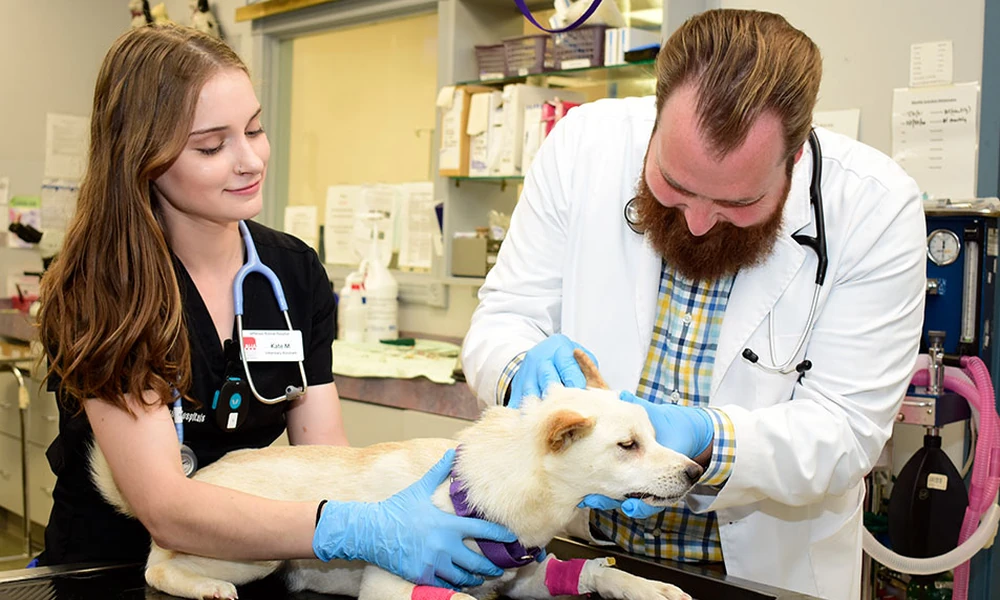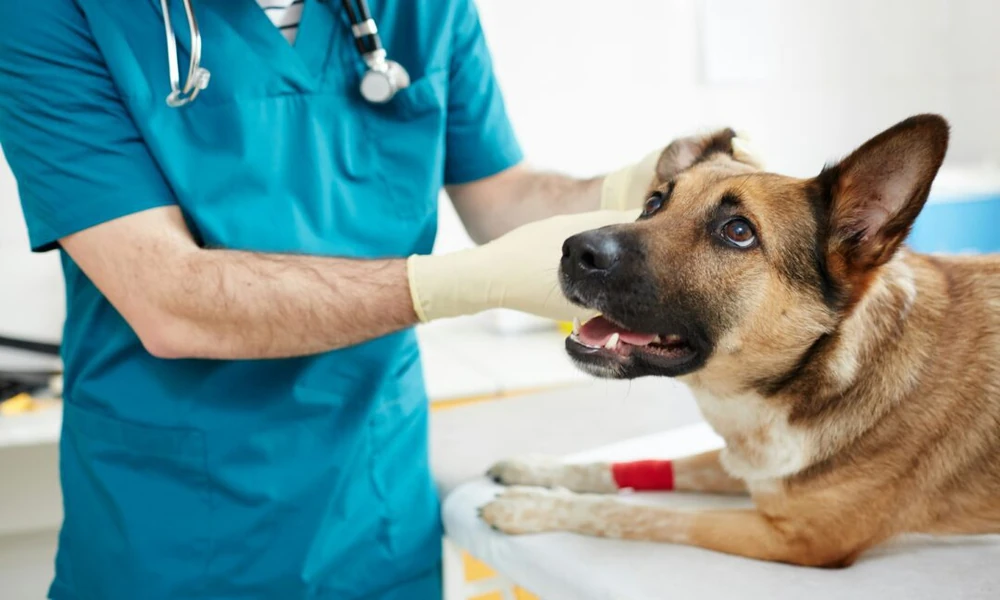
You might not think much about your veterinarian when your pet seems healthy, happy, and full of energy. Then something changes. Maybe your dog stops eating, your cat starts hiding, or a small symptom turns into a late night worry that keeps you awake. In those moments, having a trusted North County San Diego veterinarian connection can change everything. It can mean faster answers, calmer decisions, and care that fits your pet’s needs instead of rushed guesswork.
That is really the heart of The Importance Of Building A Relationship With Your Veterinarian. When you know your vet, and your vet knows you and your pet, routine visits become more useful, problems are often caught earlier, and stressful moments feel less overwhelming. Good care is not only about treatment. It is also about trust, communication, and feeling comfortable enough to ask questions when something does not seem right.
Why does a strong relationship with your veterinarian matter so much?
Pets cannot explain where it hurts or how long something has felt off. Because of that, your veterinarian depends on patterns, history, and your observations. If you already have an established bond with a general veterinarian, those details are easier to connect. Your vet may know that your pet is usually nervous during exams, that a certain medication caused stomach upset before, or that a small behavior change could mean more than it seems.
Without that relationship, every visit can start from zero. You repeat the same history, your pet may feel more stressed, and decisions may be made with less context. That does not mean good care is impossible. It just means care often becomes more reactive than proactive, and that can affect time, cost, and peace of mind.
So, where does that leave you? It means the value of regular visits is not only about vaccines or annual exams. It is also about creating a record of your pet’s normal, so changes stand out sooner. The American Veterinary Medical Association offers helpful guidance on building productive communication with your veterinary team, which can make those visits feel more useful and less intimidating.
What can happen when you wait until there is a crisis?
When care starts only after an emergency, everything feels heavier. You are scared, your pet is uncomfortable, and choices may need to be made quickly. In that setting, even simple questions can feel hard. What tests are really needed? Is this urgent or can it wait? What is the likely cost? When you already trust your vet, those conversations tend to be clearer because the relationship is already there.
There is also an emotional side that many pet owners carry quietly. You may worry about overreacting, or feel guilty for not noticing a problem sooner. You may even avoid making the appointment because you are afraid of bad news. That is human. A good vet relationship helps lower that fear because you are not walking into a cold, unfamiliar space. You are talking with someone who knows your pet and can guide you through the next step.
This is one reason building trust with your vet matters so much. It supports better medical care, but it also supports you. It gives you a place to ask, listen, and decide without feeling alone in the process.
How does ongoing veterinary care help with cost and decision making?
Many people assume regular veterinary visits always cost more than waiting until something is wrong. In real life, the opposite is often true. Preventive care can catch dental disease, weight changes, skin issues, and chronic conditions before they become larger and more expensive problems. A long term relationship with your veterinarian also makes it easier to talk openly about budget, priorities, and treatment options.
That matters because pet care is rarely one size fits all. One family may need a step by step plan. Another may want to move quickly with diagnostics. When your vet knows your situation, care can be more practical and more personal. The AVMA also provides information on what to expect from preventive veterinary care, which can help you prepare for those conversations.
| Situation | When You Have an Established Vet Relationship | When You Only Seek Care in Emergencies |
|---|---|---|
| Routine symptoms | Your vet can compare changes to past exams and known history | Symptoms may be reviewed without much background |
| Stress for your pet | Familiar staff and setting may reduce fear over time | Unfamiliar visits can add anxiety during already tense moments |
| Cost planning | You can discuss prevention and phased treatment options early | Costs may rise when problems are found later or become urgent |
| Communication | Questions are easier when trust already exists | Important decisions may feel rushed or unclear |
What does a good veterinary partnership actually look like?
It does not mean you agree on every choice right away, and it does not mean every visit is easy. It means there is respect on both sides. You share what you are seeing at home. Your vet explains what those signs may mean, what options exist, and what the next reasonable step might be. Over time, that back and forth becomes one of the best parts of veterinarian relationship building.
A strong partnership also helps with harder seasons of pet ownership. Senior pet care, chronic illness, behavior concerns, and end of life decisions all become easier to face when you already have a trusted general veterinarian who understands your pet’s history and your goals. If you want help thinking through those long term care questions, the AVMA has resources on working with your veterinarian across different stages of your pet’s life.
What can you do right now to strengthen the bond?
Schedule regular wellness visits. Do not wait for a problem. Routine exams help your vet learn your pet’s baseline and give you a chance to ask small questions before they become big concerns.
Keep a simple record at home. Note changes in appetite, energy, bathroom habits, weight, and behavior. Those details may seem minor, but they can give your vet useful clues and lead to earlier answers.
Speak openly about your concerns and limits. If you are worried about cost, timing, or treatment choices, say so. Honest communication is part of a good pet healthcare relationship, and it helps your vet recommend options that fit real life.
When your pet needs care, who do you want beside you?
Most people want more than a clinic. They want someone who knows their pet, explains things clearly, and helps them make thoughtful choices when emotions run high. That is why the importance of building a relationship with your veterinarian is not a small detail. It is part of protecting your pet’s health and your own peace of mind.
If you have been putting off that first visit or meaning to reconnect with a clinic after a long gap, this is a good time to take that step. A trusted relationship with a veterinary professional can make routine care smoother and difficult days less frightening. Your pet depends on you, and having the right veterinary partner can help you show up with more confidence when it matters most.