You might have noticed a change before you knew what it meant. Maybe your dog’s breath got harder to ignore, or your cat started dropping kibble, chewing on one side, or pulling away when you touched the face. It is easy to hope it is nothing serious, especially when your pet still seems playful and affectionate. But dental disease often hides in plain sight, and by the time it is obvious, your pet may already be living with pain. A Marianna veterinarian can help identify the problem early and recommend the right care.
That is the hard part. Pets rarely tell you when their mouths hurt, so small signs can carry more weight than they seem to. The short version is simple. Routine cleanings do more than freshen breath. They help prevent infection, reduce pain, protect major organs, and support a longer, healthier life. When you understand the link between oral health and whole body health, regular care starts to feel less optional and more like a steady form of protection.
Why can poor oral health shorten a pet’s life?
Dental disease is one of the most common health problems in cats and dogs, and it tends to worsen quietly. Plaque forms, tartar builds, gums become inflamed, and bacteria move below the gumline. What starts as bad breath can turn into infection, loose teeth, abscesses, and chronic pain. Because of this, you might wonder whether a dirty mouth can really affect the rest of the body. In many cases, it can.
Bacteria from oral infections may enter the bloodstream and place stress on the heart, liver, and kidneys. That does not mean every pet with tartar will develop organ disease, but it does mean the mouth should never be treated as separate from the rest of the body. According to the American Veterinary Medical Association’s pet dental care brochure, regular dental care is an important part of keeping pets healthy over time.
So, where does that leave you? It means preventive care matters, especially when your pet seems fine on the surface. A professional cleaning at Cat And Dog Animal Hospital can catch problems early, before they turn into extractions, severe infection, or more costly treatment.
What are the 5 reasons regular dental cleanings help pets live longer?
1. They reduce hidden infection. The most serious dental problems often sit below the gumline, where you cannot see them. Professional cleanings remove buildup in those spaces and give the veterinary team a chance to look for pockets of infection, damaged teeth, and gum disease.
2. They relieve chronic pain. Pets are skilled at masking discomfort. A dog with a painful molar may still wag the tail and greet you at the door. A cat with inflamed gums may still eat, just more slowly. Pain relief improves sleep, appetite, mood, and daily comfort, which can support better health overall.
3. They protect major organs. Ongoing oral bacteria can contribute to inflammation and may affect organs that work hard every day. This is one reason many veterinarians view pet dental cleanings as part of preventive medicine, not just cosmetic care.
4. They help pets eat well. Chewing should not hurt. When the mouth is healthy, pets are more likely to eat normally, maintain a healthy weight, and get the nutrition they need. That matters even more for older pets, who may already be dealing with age related changes.
5. They catch problems before they grow. During a cleaning, the veterinary team may spot fractures, retained baby teeth, oral masses, or severe gum changes. Early treatment is often simpler, safer, and less expensive than waiting until your pet is in visible distress.
How do you know if your pet may already need a dental cleaning?
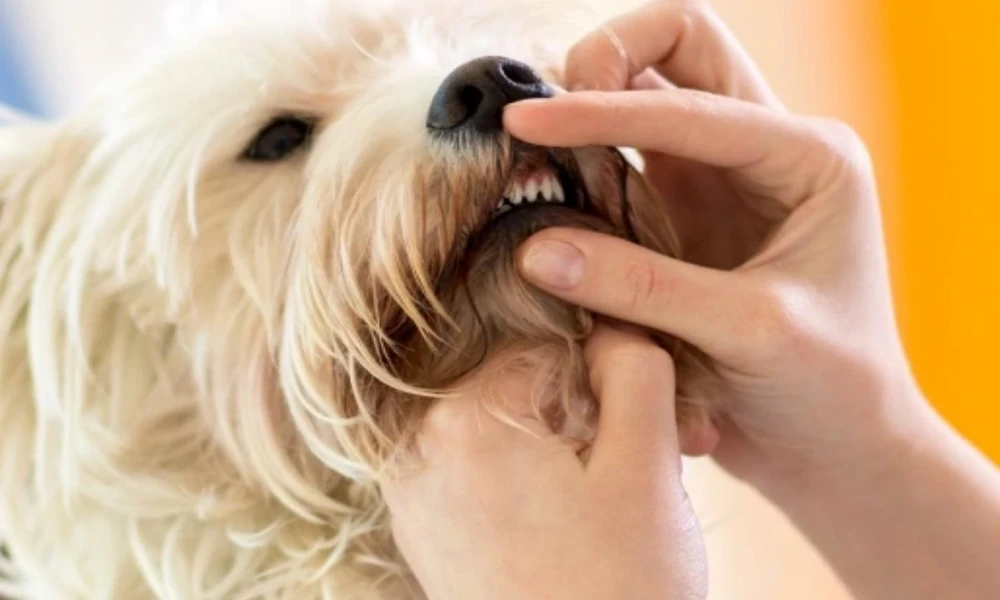
Sometimes the signs are clear, and sometimes they are easy to miss. Bad breath, red gums, yellow or brown tartar, pawing at the mouth, trouble chewing, and changes in eating habits can all point to trouble. If your pet has become less social, more irritable, or oddly selective about food, mouth pain may be part of the picture.
If you are unsure, it can help to review these five signs your pet may need a dental cleaning. That kind of checklist can give shape to concerns you have been carrying for a while.
What is the difference between home dental care and professional cleanings?
Home care matters, and it helps slow plaque buildup between visits. Still, brushing alone cannot remove hardened tartar or clean under the gumline the way a professional dental procedure can. Think of home care as maintenance and professional care as deeper prevention and treatment.
| Type of Care | What It Helps With | Limits to Know |
|---|---|---|
| At home brushing | Reduces plaque, supports fresher breath, builds routine | Cannot remove tartar already stuck to teeth or address issues under the gums |
| Dental chews or approved products | May reduce surface buildup and support daily oral care | Not enough for active dental disease or painful teeth |
| Professional veterinary dental cleaning | Cleans above and below the gumline, checks for disease, may include dental imaging and treatment | Requires scheduling and should be guided by your veterinary team |
This is why regular pet teeth cleaning is often the best partner to home care. One supports the other, and together they lower the chance that small issues will become larger health problems.
What can you do right now to protect your pet’s oral health?
1. Look for the quiet signs. Check your pet’s breath, gums, chewing habits, and comfort level. If something feels off, trust that instinct. You do not need dramatic symptoms to ask for a dental evaluation.
2. Start a simple home routine. If your veterinarian says it is appropriate, begin brushing with a pet safe toothpaste and toothbrush. Even a few times a week can help. Ask which products are actually useful, because not every treat or rinse does what the label suggests.
3. Schedule a professional exam. A veterinary visit can show whether your pet needs a dog and cat dental cleaning, monitoring, or treatment for active disease. That step gives you clarity, and clarity often brings relief.
What should you take away from all of this?
If you have been putting off dental care because life is busy, money is tight, or your pet seems mostly okay, you are not alone. Many loving owners do the same, because dental disease can be easy to underestimate. But regular cleanings are not just about breath or appearance. They can ease pain, lower infection risk, support organ health, and help your pet enjoy more good years with you.
When you are ready, reach out to Cat And Dog Animal Hospital and ask about your pet’s dental needs. A small step now can make a real difference later.