You might not think much about your pet’s teeth until the breath gets worse, meals take longer, or chewing seems to hurt. That is often how it starts. One small sign, then another, and suddenly you are wondering whether this is just a normal part of aging or something that needs attention now. If you have ever felt unsure about what belongs in a pet health plan, you are not alone. Dental care is easy to push down the list, especially when your pet seems happy and active, but talking with a West Chester veterinarian for second opinion can help you decide what needs attention.
But here is the hard part. Dental disease in pets often hides in plain sight. By the time you see obvious pain, there may already be infection, tooth damage, or deeper health concerns. The short answer is simple. Pet dental care in health plans matters because it protects comfort, supports eating and play, and may even help reduce risks tied to the heart, liver, and kidneys. When dental care is built into routine veterinary care, problems are more likely to be found early, when treatment is easier and less costly.
Why do healthy looking pets still need dental care in a pet wellness plan?
Many pets keep acting normal even when their mouths hurt. Dogs still wag. Cats still jump on the couch. That can make it hard to spot a problem. Yet plaque and tartar keep building, gums become inflamed, and bacteria can move below the gumline where you cannot see it.
So, where does that leave you? It means a pet can look fine while dental disease quietly gets worse. According to the AVMA’s pet dental care brochure, dental disease is one of the most common health issues seen in dogs and cats. That alone is a strong reason to treat oral care as a routine part of a health plan, not an extra.
The problem is not just bad breath. Bad breath is often a sign of bacteria and gum disease. As infection grows, pets may deal with loose teeth, bleeding gums, oral pain, and trouble eating. Some become irritable. Others drop food, chew on one side, or stop playing with toys they used to love. Because these changes can be subtle, families often miss them until the issue is advanced.
And then there is the financial side. When preventive care is skipped, what could have been managed with exams, cleanings, and home care may turn into extractions, treatment for infection, and more follow up visits. That is one reason dental coverage for pets deserves a place in conversations about long term care costs.
Can dental disease in pets affect more than the mouth?
Yes, and this is where many people feel surprised. Oral disease does not always stay local. Bacteria linked to gum disease can enter the bloodstream and may affect other parts of the body. VCA explains the connection in its page on dental disease and systemic disease in pets. While every pet is different, ongoing dental infection may place added stress on organs and overall health.
Think about a common what if scenario. Your dog still eats, but more slowly. Your cat has stopped grooming as much, and you assume it is age. Months pass. At the next veterinary visit, the exam shows advanced periodontal disease. Now the concern is not only cleaning the teeth. It is pain control, imaging, possible extractions, and checking whether the chronic infection has affected general health. That is a lot to carry, emotionally and financially, when earlier care may have reduced the burden.
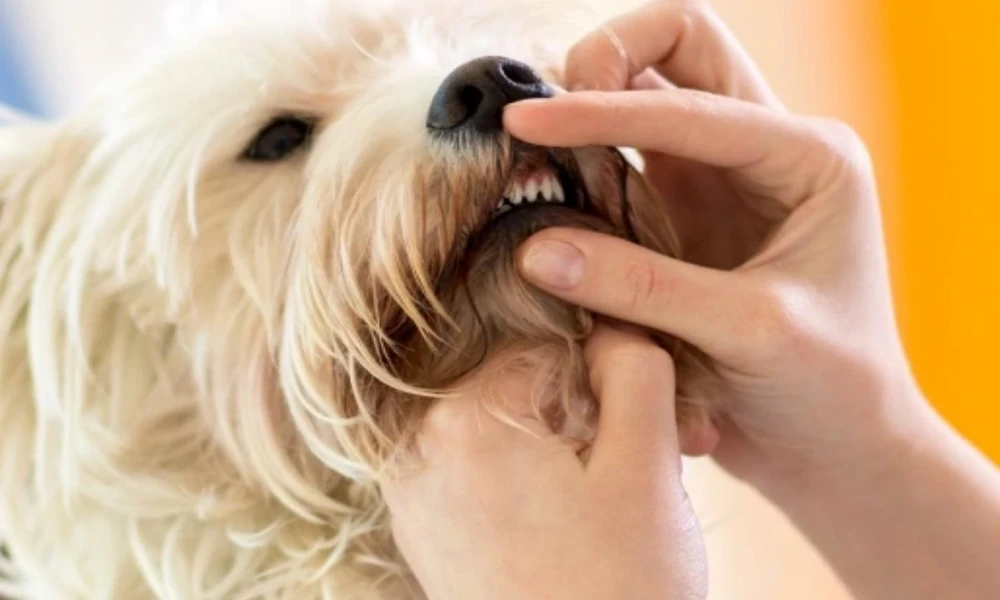
This is why regular exams from a general veterinarian matter. A veterinarian can look for tartar, gum inflammation, fractured teeth, oral masses, and signs of pain that are easy to miss at home. If you are comparing options, the AVMA also offers pet dental care resources that help explain what preventive care should include.
What does preventive dental care for pets actually include?
A good plan usually blends home care with professional care. Brushing your pet’s teeth, using veterinarian approved dental products, and keeping up with routine exams all play a role. Professional dental cleanings matter because they address plaque and tartar above and below the gumline, where home brushing cannot fully reach once buildup hardens.
That does not mean every pet needs the same schedule. Age, breed, diet, tooth shape, and past dental history all matter. Small breed dogs, for example, often develop dental disease earlier. Some cats hide oral pain so well that disease can progress before anyone notices. Because of that, oral care should be tailored, but never treated as optional.
How does home care compare with professional veterinary dental care?
Both matter, but they do different jobs. Home care helps slow plaque buildup. Professional care finds and treats disease that has already developed. When used together, they give your pet the best chance at a healthy mouth.
| Type of Care | What It Helps With | Limits | Why It Matters |
|---|---|---|---|
| At home brushing and dental products | Reduces daily plaque buildup and supports fresher breath | Cannot remove hardened tartar below the gumline | Helps prevent problems from progressing between veterinary visits |
| Routine oral exam by a general veterinarian | Spots early signs of gum disease, pain, fractures, or infection | Some disease may require further testing or treatment | Finds hidden problems before they become severe |
| Professional dental cleaning | Removes tartar, cleans under the gumline, and allows full assessment | Not a substitute for daily home care | Treats active buildup and supports full oral health management |
What can you do right now to make dental care part of your pet health plan?
1. Watch for quiet signs of discomfort.
Look beyond bad breath. Notice changes in chewing, pawing at the mouth, drooling, dropping food, reduced grooming, or avoiding chew toys. These signs can point to pain even when your pet still seems upbeat.
2. Ask for an oral health check at every veterinary visit.
Even a quick exam can reveal early gum changes, tartar buildup, or damaged teeth. If your pet has risk factors, ask how often a full dental assessment makes sense. This is one of the simplest ways to strengthen a pet oral health plan.
3. Build a realistic home routine.
If daily brushing feels hard, start small. A few times a week is better than doing nothing and giving up. Ask your veterinary team which toothbrushes, toothpaste, chews, or rinses are safe and worth using. A routine you can keep is the one that helps most.
Why is dental care one of the smartest parts of a long term pet health plan?
Because it protects more than teeth. It protects comfort, appetite, behavior, and quality of life. It can also help you avoid the stress of finding out too late that a “small” issue had become a painful one. When dental care is included in routine veterinary planning, you are not overreacting. You are paying attention to a part of health that pets cannot explain with words.
If your pet has bad breath, visible tartar, or changes in eating, now is a good time to schedule a dental conversation with a general veterinarian. A simple exam can give you a clearer picture of what is going on and what steps make sense next.