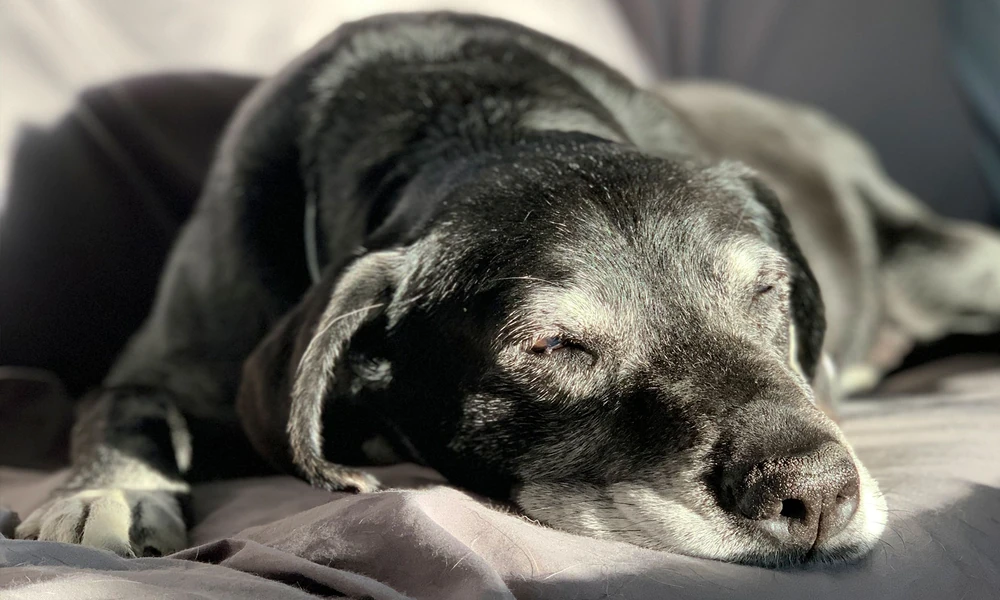
You might be noticing small changes first. Your dog takes longer to stand up after a nap. Your cat misses the jump to a favorite windowsill. Meals are slower, walks are shorter, and the face you know so well seems to be asking for help in quieter ways. That can leave you feeling unsure, because aging does not always look like illness at first. It often looks like a pet “slowing down,” and that is exactly why timely care matters. If you need guidance, an Alexandria exotic animal veterinarian can help assess these subtle changes early.
The short version is simple. Senior pets need more than love and routine. They need skilled medical support that can catch pain, disease, and mobility problems early, before those issues chip away at comfort and joy. Why Animal Hospitals Are Critical To Senior Pet Quality Of Life comes down to one truth. Regular veterinary care helps older pets stay comfortable, active, and connected to the family for as long as possible.
When “Just Getting Older” Hides Pain, what does an animal hospital catch?
One of the hardest parts of caring for an older pet is that animals are good at hiding pain. By the time you see limping, reluctance to climb stairs, pacing at night, or changes in appetite, discomfort may already be affecting daily life. According to Cornell’s guide on recognizing pain in dogs, signs can be subtle, including behavior changes, restlessness, and reduced interest in normal activities.
Because of this, an animal hospital visit is not just about vaccines or a quick exam. It is a chance to look at the whole picture. Weight loss, arthritis, dental disease, kidney trouble, heart changes, and cognitive decline can overlap, and each one can affect sleep, appetite, movement, and mood. Without that medical context, it is easy to miss what your pet is really dealing with.
So, where does that leave you? It means that what looks minor at home may deserve a closer look. A senior wellness exam can help separate normal aging from treatable problems, which is often the difference between a pet who endures each day and one who enjoys it.
Why does senior pet care matter so much as the years add up?
As pets age, their bodies become less forgiving. A younger pet may bounce back from inflammation, skipped meals, or mild dental pain. An older pet often cannot. Arthritis can reduce movement, which can lead to weight gain, muscle loss, and even less mobility. Dental disease can make eating painful. Kidney disease can cause dehydration and nausea long before a crisis appears. These issues build on each other.
That is why senior pet quality of life depends so heavily on steady medical monitoring. Bloodwork, pain checks, weight tracking, and medication review can uncover changes early, when they are easier to manage. Virginia Tech’s advice for senior pets points to regular exams, diet adjustments, and close attention to behavior as key parts of healthy aging.
There is also an emotional side to this. When a pet seems withdrawn or irritable, families sometimes assume personality is changing. In many cases, pain is the real issue. Treat the pain, support mobility, and the pet you know often returns in meaningful ways.
Can an animal hospital help with pain control safely?
Yes, and that matters more than many people realize. Pain relief for older pets is not something to guess at with leftover medication or home remedies. Some drugs that are safe for people can be dangerous for animals, and even pet medications need careful dosing and monitoring, especially in seniors with kidney or liver concerns.
The FDA shares what veterinarians want pet owners to know about pain control and nonsteroidal anti inflammatory drugs, including the need to watch for side effects like vomiting, appetite loss, or behavior changes. In a hospital setting, pain management is not just a prescription. It is an ongoing plan that may include exams, lab work, weight support, joint care, and follow up.
This is one reason veterinary hospitals for older pets play such an important role. They help you avoid the two common mistakes families make under stress. Waiting too long, or treating the wrong problem.
What does home care do well, and when does a pet hospital become necessary?
Home care matters. Soft bedding, non slip rugs, shorter walks, raised food bowls, and medication routines can make a real difference. Still, home care works best when it is guided by a medical plan. If your pet is losing weight, breathing differently, drinking more water, having accidents, or avoiding stairs, comfort changes alone may not be enough.
| Concern | Home Support | Animal Hospital Support |
|---|---|---|
| Arthritis and stiffness | Soft bedding, ramps, gentle exercise | Joint exam, pain plan, imaging, medication review |
| Eating less | Warm food, easier bowl access, schedule changes | Dental check, bloodwork, nausea assessment, disease screening |
| Behavior changes | Quiet routine, easier access to litter box or yard | Pain evaluation, cognitive assessment, neurologic exam |
| Weight loss or gain | Portion tracking, low stress feeding | Diet plan, metabolic testing, chronic disease management |
| Medication concerns | Follow label directions, track symptoms | Side effect monitoring, dose adjustment, lab testing |
The value of a pet hospital is not that it replaces your care at home. It strengthens it. You know your pet’s habits and personality. The medical team adds the testing and treatment that protect comfort over time. Together, that is often the best path to a better daily life.
If you are worried now, what can you do today?
1. Start tracking changes. Write down sleep patterns, appetite, water intake, bathroom habits, mobility, and behavior. Small details help a veterinarian spot patterns that are easy to miss in the moment.
2. Schedule senior wellness exams consistently. Older pets often need checkups more often than younger adults. Routine visits can catch issues before they become emergencies, which is better for your pet and often easier on your budget.
3. Ask direct questions about comfort. If you suspect pain, say so plainly. Ask what signs to watch for, what treatment options exist, and how progress will be measured. Good animal hospital care should give you a plan, not just a diagnosis.
What kind of life are you trying to protect?
For most people, the goal is not simply more time. It is better time. You want your pet to rest without pain, eat with interest, move with less effort, and still find pleasure in the small parts of the day. That is exactly why animal hospitals matter so much in the senior years. They help turn uncertainty into answers, and answers into relief.
If your older pet seems different, trust that instinct and reach out for care. Early support can protect comfort, dignity, and the bond you share every day.