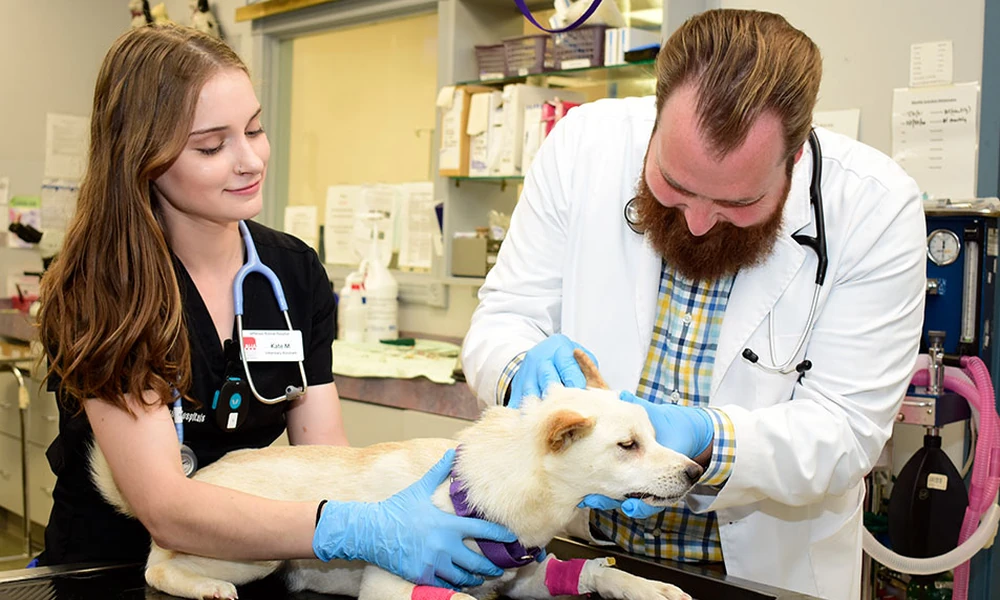
You may be here because your pet is slowing down, hurting, or no longer enjoying the things that once filled the day. Eating becomes harder. Breathing can change. The look in their eyes can feel different, and that shift lands heavily because you know what it may mean. This is one of the hardest parts of loving an animal. At our Lower Sackville veterinary clinic, you are trying to protect them from pain while carrying your own grief at the same time.
How Animal Hospitals Ensure Comfort During End Of Life Care comes down to a few clear things. They focus on pain control, calm handling, a quiet setting, honest guidance, and a plan that respects both your pet’s needs and your bond with them. Good care at this stage is not rushed. It is gentle, clear, and centered on comfort.
Animal hospitals reduce fear and pain during pet end of life care
Many people worry that their pet will be scared, suffer, or sense what is happening in a frightening way. That fear is real, especially if your pet has become anxious during vet visits or has trouble moving. A thoughtful animal hospital plans for that. Staff often use soft bedding, dimmer rooms, quiet voices, and slower handling. If a pet is painful or fearful, the team may recommend sedation before euthanasia so your pet can relax first.
This matters because discomfort is not only physical. A dog with arthritis may panic when trying to stand on a slick floor. A cat with breathing trouble may become distressed when handled too much. Comfort care means reading those signals and changing the approach. Sometimes that means bringing the pet in through a quieter entrance. Sometimes it means doing paperwork ahead of time so you are not sitting in a crowded lobby. Sometimes it means giving medication before the appointment to lower fear and pain.
Veterinarians also guide you through what to expect. That simple act often lowers distress for everyone in the room. When you know that sedation may come first, that your pet may become sleepy in your arms, and that the final injection is designed to be peaceful, the unknown has less power. Cornell’s overview of euthanasia for small animals explains the process in a clear, compassionate way, which can help if you need straightforward information before making a decision.
Comfort-focused end of life support includes planning before the final appointment
End of life care is not only the moment of euthanasia. It often begins days or weeks earlier. A hospital may help you track pain, appetite, mobility, sleep, and interest in normal routines. That gives you something solid to look at when emotions are pulling in two directions. You may hope for one more good weekend, one more meal, one more sign that things are turning around. At the same time, you may see that your pet is enduring more than enjoying.
Compassionate veterinary end of life support often includes palliative care, which aims to ease symptoms when a cure is no longer realistic. That can include pain medicine, anti nausea treatment, appetite support, fluid therapy, oxygen, or advice on keeping your pet clean and comfortable at home. If your pet has cancer, organ failure, or advanced neurologic disease, these small measures can make the remaining time gentler.
The University of Illinois offers a helpful piece on saying goodbye to a pet that addresses the emotional side many families struggle to name. Guilt is common. So is second guessing. People often fear acting too soon, then fear they have waited too long. A good animal hospital does not push you through that. They help you weigh suffering, function, and dignity with honesty.
Practical choices affect comfort for your pet and for you
Some families want as much time as possible at home. Others know their pet is declining fast and do not want to risk a crisis after hours. There is no single right path. What matters is whether the plan reduces distress and keeps your pet from reaching a point of panic, uncontrolled pain, or respiratory struggle.
| Care Approach | What It Looks Like | Main Benefit | Main Concern |
|---|---|---|---|
| Palliative care through an animal hospital | Pain relief, symptom control, quality of life tracking, regular check ins | More comfortable time at home before the final decision | Symptoms can change quickly and may become urgent |
| Scheduled in clinic euthanasia | Quiet room, sedation when needed, veterinary team present, aftercare options | Controlled setting with medical support and a clear process | Travel can be stressful for pets who are weak or anxious |
| Waiting without a plan | Hoping for improvement, no set comfort strategy, emergency decisions | Feels easier in the short term | Higher risk of pain, crisis, and regret if your pet declines suddenly |
Pet hospice and euthanasia care works best when decisions are made before a crisis forces them. If your pet has trouble breathing, cannot stand without severe pain, stops eating for long stretches, or seems withdrawn from everything that once mattered, those signs deserve direct attention. Waiting can feel like love, but sometimes planning is the kinder form of love.
Clear steps help you protect your pet’s comfort now
1. Ask for a quality of life review. Request a focused appointment to discuss pain, mobility, appetite, breathing, bathroom habits, and daily enjoyment. Bring notes or short videos from home. Those details help the veterinary team see what your pet’s days are really like.
2. Make the appointment easier before you arrive. Ask whether your pet should receive medication at home for anxiety or pain. Request a quiet room and minimal waiting time. Bring a favorite blanket, bed, or toy that smells familiar. Small comforts can lower fear more than people expect.
3. Decide on aftercare before the day comes. Choose who will be present, whether you want private time afterward, and what you want done with remains. Making those choices ahead of time protects you from having to answer hard questions while you are in shock.
Gentle end of life care at an animal hospital gives your pet peace
You do not have to carry this perfectly. You only have to keep turning toward your pet with honesty and care. A good animal hospital helps you do that by reducing pain, lowering fear, and creating a calm space for goodbye when the time comes. If your pet is struggling and you can see that comfort is becoming harder to maintain, reach out to an animal hospital and ask for an end of life care discussion. That conversation can give both you and your pet more peace than waiting in uncertainty.