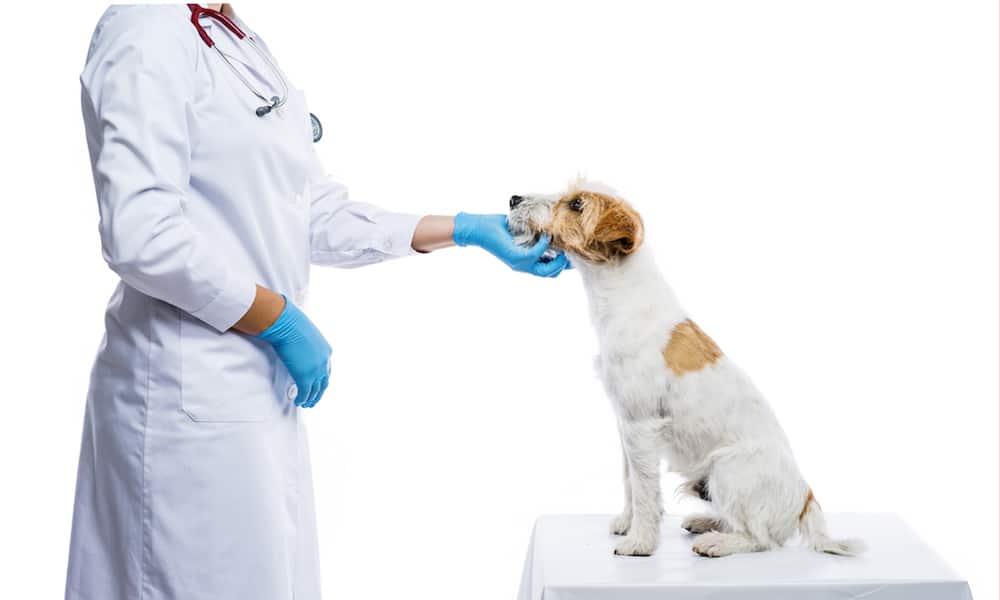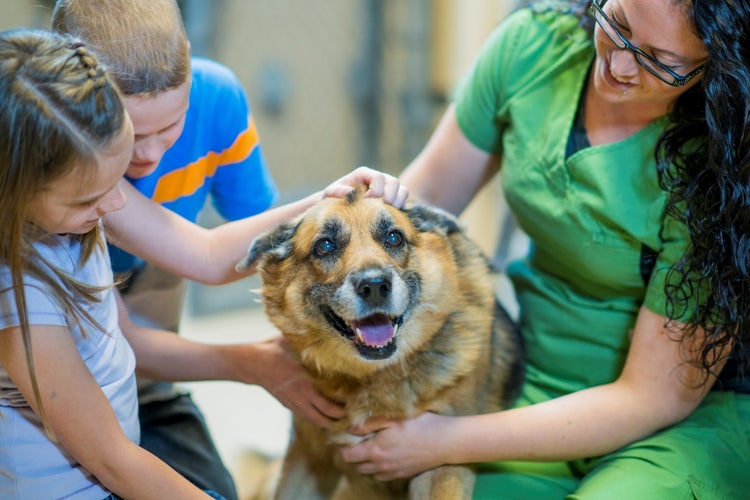
You might be seeing the hardest part of rescue up close, the moment when a stray is finally safe but still scared, hurt, underfed, or carrying an illness no one can see yet. Before help arrives, everything feels uncertain. After the right care begins, the whole picture can change. That shift is why How Animal Hospitals Contribute To Animal Rescue Success matters so much. Animal hospitals do far more than treat injuries, and a veterinarian in Burlington, ON can help rescued pets survive, recover, and move toward adoption, foster care, or reunion with the people who love them.
When a rescue takes in an animal, time matters, but so does judgment. Is the pet dehydrated or in shock? Does that cough point to kennel stress, or something contagious? Can a fractured leg wait, or does it need surgery today? Because of this tension, you might wonder where the real turning point happens. In many cases, it starts inside an animal hospital, where medical care, triage, prevention, and planning come together.
Why does an animal hospital matter so much when a rescue animal first arrives?
The first hours after intake can decide what happens next. A rescue group may offer shelter, transport, and care, but an animal rescue veterinary support team gives structure to a chaotic moment. Veterinarians and technicians can assess pain, stabilize breathing, treat wounds, test for parasites, and check for signs of infection. That early screening protects the rescued animal, and it also protects every other animal in the shelter or foster network.
Think about a common situation. A dog is found after days outside, thin and limping, with no known history. Without medical evaluation, a rescue may miss internal injuries, heartworm risk, or a contagious skin condition. With hospital support, the dog gets a clear exam, a treatment plan, and a safer path forward. That is one of the clearest ways animal hospitals and rescue organizations work hand in hand.
The same is true for cats, especially kittens. A kitten may look sleepy and quiet, but the real issue could be low blood sugar, dehydration, or an upper respiratory infection spreading fast through a litter. Fast treatment can save lives that might otherwise be lost simply because the warning signs were subtle.
What challenges do rescues face without strong veterinary care?
Rescue work is built on heart, but heart alone cannot diagnose disease, manage pain, or prevent an outbreak. Without access to an animal hospital, rescues often face painful choices. Should they spend limited funds on one major surgery, or divide those resources across several animals needing vaccines and basic care? Should they isolate a coughing dog for days, or risk exposing others because space is tight?
That pressure can build fast. Medical uncertainty slows adoptions. Untreated conditions raise costs later. A pet that could have recovered with prompt care may need longer treatment if early signs were missed. In crowded rescue settings, one untreated illness can affect many animals at once. Cornell’s work in shelter and community medicine reflects this reality, showing how organized veterinary support strengthens outcomes for shelters, rescues, and the animals depending on them.
So, where does that leave you? It points to a simple truth. Rescue success is not only about pulling an animal from danger. It is also about building the medical foundation that gives that animal a real chance to heal and stay healthy.
How do animal hospitals support rescue success beyond emergency treatment?
Emergency care gets the most attention, but long term rescue success often depends on routine medicine done well. Vaccinations, spay and neuter services, parasite control, dental care, behavior related assessments, and follow up visits all shape whether a rescued pet becomes adoptable and stays well after placement. A strong animal hospital helps rescues move from crisis response to steady recovery.
Training matters too. Programs connected to shelter medicine help prepare veterinarians to work in high need environments where population health, infection control, and limited resources are part of daily decision making. That kind of preparation supports better care not just for one animal, but for many.
Animal hospitals also play a key role during disasters. Fires, floods, storms, and evacuations can separate pets from families and overwhelm local shelters. Guidance on pets in evacuation settings from the CDC for evacuation centers shows why planning, vaccination status, sanitation, and medical oversight matter so much when animals are displaced. In these moments, hospitals help manage disease risk, urgent treatment, and safe reunification.
What practical differences does hospital support make for rescued animals?
It helps to see the contrast clearly. Rescue groups can do a great deal on their own, but veterinary partnership changes the range and quality of care available.
| Situation | Rescue Without Hospital Support | Rescue With Animal Hospital Support |
|---|---|---|
| New intake exam | Basic visual check, limited ability to detect hidden illness | Full exam, triage, pain assessment, diagnostic testing when needed |
| Contagious disease risk | Higher chance of delayed isolation and spread | Faster diagnosis, treatment, and safer quarantine planning |
| Injury care | Temporary stabilization only | Imaging, wound care, surgery, and recovery monitoring |
| Adoption readiness | Longer delays due to untreated or unclear conditions | Clear records, completed preventive care, better placement confidence |
| Disaster response | Strained capacity and higher health risk | Medical oversight, vaccination review, and organized emergency care |
What can you do right now to support better rescue outcomes?
1. Build a veterinary relationship before the crisis. If you work with rescue, do not wait until an emergency to find hospital support. A planned relationship improves intake protocols, pricing clarity, and response time when a severe case arrives.
2. Ask for a medical pathway, not just a single visit. A rescued pet often needs more than one appointment. Ask about vaccines, parasite treatment, follow up exams, spay or neuter timing, and behavior concerns that may have a medical cause.
3. Prepare for emergencies and displacement. Keep records, vaccine history, medication lists, and identification details ready. If you foster or rescue during storm season or other local risks, make an evacuation plan that includes pet transport, crates, food, and medical contacts.
When rescue and medical care work together, what changes?
The answer is simple, even if the work is not. More animals survive. More animals heal well. More families adopt with confidence, and more lost pets find their way back home. Rescue begins with compassion, but success usually depends on structure, skill, and timely care. That is how animal hospitals contribute to rescue success, not as a side note, but as one of the strongest supports in the whole process.
If you are helping a rescued pet right now, take the next step and connect with an animal hospital that understands the demands of rescue care. Early treatment, steady follow up, and a clear plan can change the outcome more than you may realize.