It often starts small. You notice your pet licking one spot a little longer than usual, or grooming so often that the fur looks thin, rough, or missing. Then you start watching more closely, wondering if this is stress, a skin issue, pain, or something worse. That worry makes sense, and speaking with a veterinarian near League City, TX can help you understand what may be causing the behavior. The connection between excessive grooming in pets and medical problems is real, and overgrooming is often one of the first signs that something is off.
Pets do groom themselves as part of normal behavior, but repeated licking, chewing, or barbering the coat can point to itching, allergies, parasites, pain, anxiety, or other health concerns. A general veterinarian can help sort out the cause before a habit turns into skin damage, infection, or ongoing discomfort.
Excessive grooming often signals more than a behavior problem
When a dog or cat grooms obsessively, many owners assume it is nerves or boredom. Sometimes that is part of it, but behavior is only one piece of the picture. A pet that cannot stop licking may be trying to relieve itch, burning, tingling, or pain. The grooming becomes the visible clue, while the medical issue sits underneath it.
Skin allergies are a common cause. Environmental triggers, food reactions, and flea allergy can all make the skin feel unbearable. Louisiana State University’s veterinary team explains that pet allergies often show up as itching, licking, chewing, and recurrent skin problems, not just a mild rash. That matters because many pets do not simply scratch. They lick their feet, groom their belly, or chew at their sides until the pattern looks almost routine.
Parasites also need to stay on the list. Fleas are easy to miss, especially in cats that groom them off before you ever see one. Mites, ringworm, and skin infections can trigger the same cycle. What looks like a bad habit can be a pet dealing with constant irritation.
Pain is another reason grooming can intensify. A pet with arthritis, back pain, anal gland trouble, or bladder discomfort may focus on one area again and again. Owners are often surprised by this. The skin may look normal at first, but the licking is the pet’s response to discomfort deeper in the body.
Cats that lick too much often have hidden medical causes
Cats are especially good at hiding illness, which makes overgrooming easy to dismiss until bald patches appear. Cornell’s feline health experts note that cats that lick too much may be dealing with parasites, allergies, pain, or psychogenic causes. In other words, the grooming itself is not the diagnosis. It is the symptom.
One of the harder parts is that overgroomed skin does not always look inflamed. Some cats pull out hair so neatly that the skin underneath seems normal. The University of Minnesota’s dermatology resource describes self-inflicted non-inflammatory alopecia in cats, where hair loss comes from excessive licking even when obvious redness is absent. If you have been staring at a smooth patch of missing fur and wondering how skin that looks “fine” could still mean trouble, that is exactly why veterinary evaluation matters.
This is where many owners get stuck. If the skin is not raw and the pet still eats, sleeps, and acts mostly normal, it feels easy to wait. The risk is that the cause keeps brewing. Allergies become infections. Flea problems spread in the home. Pain goes untreated. Anxiety-driven grooming becomes a reinforced habit layered on top of the original trigger.
Watching the pattern helps reveal the medical issue
The pattern of grooming often gives useful clues. Paw licking can point toward allergies, contact irritation, yeast, or pain. Belly and inner thigh licking may show up with flea allergy, urinary discomfort, or stress. Tail base chewing raises suspicion for fleas. One sore joint getting constant attention can suggest pain rather than skin disease.
Pet overgrooming and illness also tends to come with side signs that are easy to overlook. Ear infections, head shaking, odor, dandruff, scooting, a change in litter box habits, or restlessness at night can all matter. A general veterinarian looks at the whole pattern instead of treating the grooming as an isolated quirk.
Home observation and veterinary care play different roles
| What You Notice at Home | What It May Suggest | What a General Veterinarian May Do |
|---|---|---|
| Licking paws every day | Allergies, yeast, contact irritation, pain | Skin exam, ear check, allergy discussion, cytology, treatment plan |
| Bald spots with normal-looking skin | Overgrooming, parasites, stress, hidden itch | Flea control review, skin tests, behavior and pain assessment |
| Chewing tail base or rump | Flea allergy, skin infection | Parasite check, flea treatment, infection care |
| Licking one joint or one side of body | Arthritis, injury, localized pain | Orthopedic exam, pain control, imaging if needed |
| Sudden increase in grooming with stress at home | Anxiety, but medical issues still possible | Rule out medical causes first, then discuss behavior support |
Excessive licking in pets is one of those symptoms that can look simple from the outside and turn out to have several layers. That is why home remedies alone often fall short. They may soothe the skin for a day or two, but they do not identify whether the real driver is fleas, food sensitivity, infection, pain, or compulsive behavior.
Three steps you can take right away
Track the grooming pattern. Write down where your pet licks, what time of day it happens, and whether anything seems to trigger it. Include changes in food, environment, stress, or flea prevention. Photos of hair loss or irritated skin help more than memory during an appointment.
Check for other signs without overhandling the area. Look for redness, odor, flakes, scabs, ear debris, limping, scooting, or changes in appetite and bathroom habits. Do not keep washing or applying random creams, especially on cats, because some products can worsen irritation or be unsafe if licked.
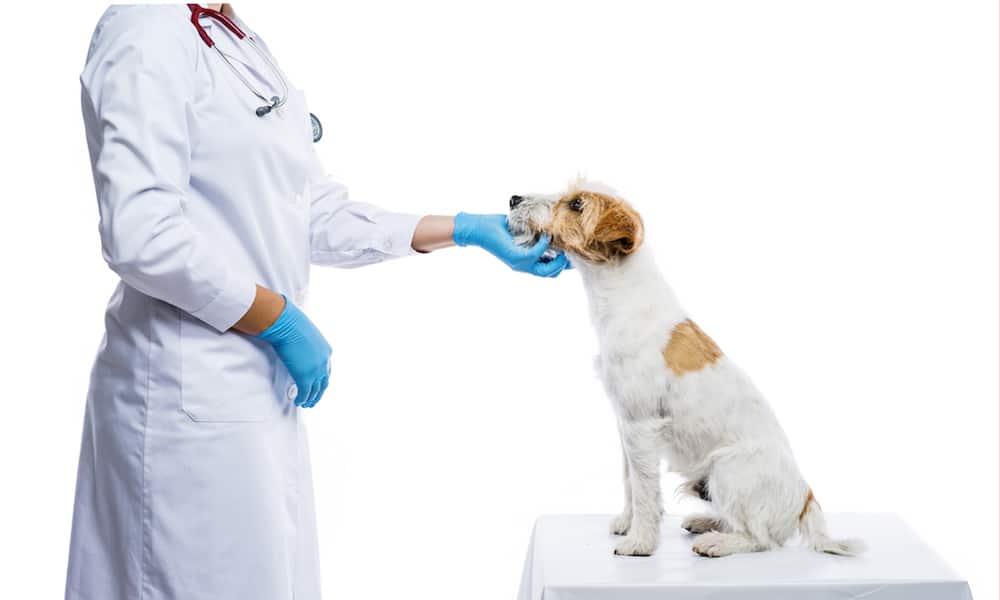
Schedule a veterinary exam before the cycle deepens. A general veterinarian can narrow down whether the issue is skin disease, parasites, pain, or stress-related behavior. Early treatment is usually simpler and less expensive than waiting until there is infection, widespread hair loss, or chronic inflammation.
Early attention protects your pet’s comfort
If your pet has been grooming nonstop and you have been trying to decide whether it is serious enough to address, that instinct to pay attention is a good one. Repetitive licking and chewing are often your pet’s way of showing discomfort long before a problem becomes obvious. Getting clear answers can spare your pet a lot of irritation and spare you weeks of guessing.
When grooming stops looking normal, a general veterinarian can help find the cause and build a plan that fits what your pet actually needs.