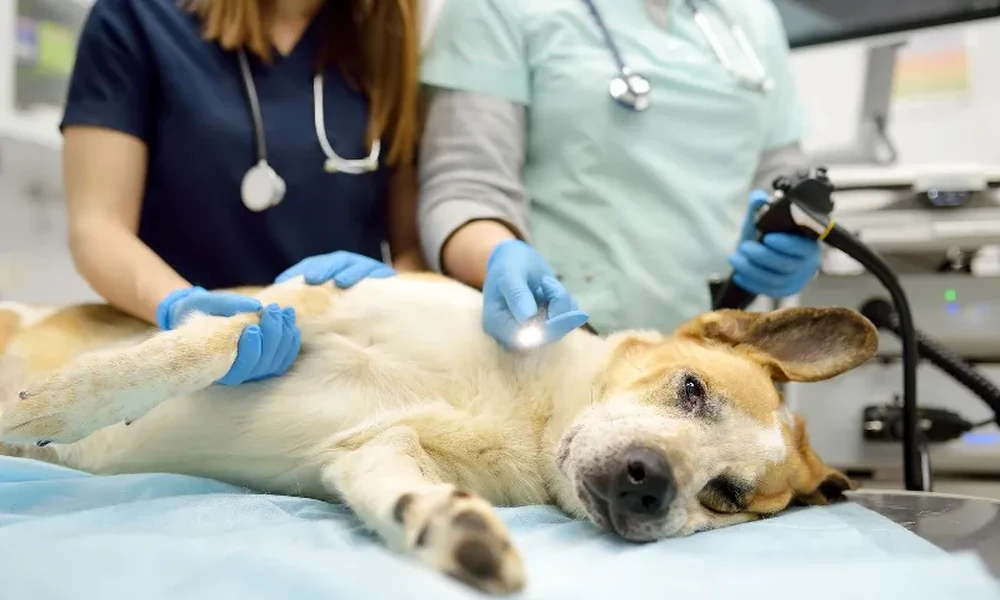
If your pet has been limping, slowing down, recovering from surgery, or just not moving like they used to, the first rehab visit for canine rehabilitation in Long Island, NY can feel like one more thing on top of a long list of worries. You are trying to help, but you may also be wondering what the therapist will ask for, what you might forget, and whether showing up unprepared could delay care. That stress is real, especially when your dog or cat is already uncomfortable.
The good news is that your first pet rehabilitation appointment does not need to be perfect. It does go more smoothly when you bring a few key details with you. The right information helps the rehab team understand your pet’s pain, mobility limits, medical history, and daily routine, which makes the treatment plan more accurate from day one. Many veterinary rehab programs, including guidance on what to expect at a rehabilitation visit and what to bring to your visit, ask owners to arrive with records and a clear picture of the pet’s condition.
Your pet’s medical records shape the first physical therapy plan
Bring any recent exam notes, surgical reports, X rays, MRI results, medication lists, and discharge instructions. If your primary veterinarian or surgeon already sent them, bring copies anyway if you can. Records get delayed, faxed to the wrong place, or sent without the pages that matter most. You do not want the appointment spent tracking down paperwork while your pet sits there anxious and tired.
This is especially helpful after orthopedic surgery, spinal injury, or a long stretch of lameness. A rehab therapist needs to know what structures were affected, what healing stage your pet is in, and whether there are movement restrictions. A dog recovering from TPLO surgery will not have the same early exercise plan as a dog with arthritis. A cat with nerve damage may need a very different approach than a pet with post operative weakness.
Your pet’s current medications and supplements affect treatment choices
Write down every medication, supplement, and dose your pet takes, including pain medicine, anti inflammatory drugs, joint support products, sedatives, and any recent medication changes. Bring the bottles if that is easier. Guessing from memory often leads to missed details, and those details matter. Some medications change energy level, pain response, balance, heart rate, or tolerance for exercise.
If your pet seems sleepy at home, the rehab team needs to know whether that is due to pain, medication, or both. If your dog had stomach upset after a new anti inflammatory, that matters too. Small details can explain big changes in performance during pet physical therapy.
Your notes about symptoms and daily mobility tell the real story
Bring a short timeline of what you have seen. Include when the problem started, whether it came on suddenly or gradually, what makes it worse, and what seems to help. You do not need a perfect journal. A few clear notes are enough. Think in practical terms. Is your dog slipping on hardwood floors, refusing stairs, lagging on walks, or struggling to stand after naps? Is your cat jumping less, missing the litter box, or hiding after activity?
At the clinic, some pets act brave, alert, and stronger than they do at home. Others shut down and barely move. Your notes fill in the gaps. They help the therapist see the pattern, not just the snapshot.
Videos from home often show more than the exam room does
Short videos are one of the most useful things you can bring to an initial rehab evaluation. Record your pet walking toward and away from the camera, turning, getting up from rest, using stairs if safe, and moving on the surfaces that cause trouble. If the limp comes and goes, a video of a bad day can be more useful than a polished clinic walk on a good day.
Try not to coach or support your pet unless needed for safety. The goal is to show normal movement. For a first animal rehab visit, this kind of footage can save time and reveal issues that are easy to miss in a short appointment.
Your home setup and routine influence the rehab plan
Bring a simple picture of your pet’s daily life. Share your flooring type, number of stairs, yard access, crate use, activity level, and who handles the pet at home. If your dog sleeps upstairs and cannot manage stairs, that changes the plan. If your senior cat lives in a home with slick tile and a high sided litter box, that matters. If your pet gets anxious around strangers or other animals, the therapist should know that before treatment starts.
Rehab works best when the plan fits real life. A home exercise program that looks good on paper but does not fit your routine usually falls apart within a week. Honest details help the team build something you can actually keep doing.
Your questions and goals keep pet physical therapy focused
Write down what you want your pet to get back to doing. Maybe you want your dog to walk comfortably around the block, get in the car without help, or return to safe play. Maybe you want your cat to climb onto the couch again without pain. These goals matter because rehab is not just about range of motion or muscle strength. It is about function.
Bring your questions too. Ask about expected progress, home exercises, session frequency, warning signs to watch for, and what setbacks might look like. When you are stressed, even good explanations can blur together. A written list keeps you from leaving with half your concerns unspoken.
The right details reduce delays and missed opportunities
| What to Bring | Why It Helps | What Can Happen Without It |
|---|---|---|
| Medical records and imaging reports | Shows diagnosis, surgery details, and restrictions | Treatment may need to wait or stay very limited |
| Medication and supplement list | Helps the team judge pain control and exercise tolerance | Side effects or interactions may be missed |
| Symptom timeline and mobility notes | Shows patterns from daily life | Clinic behavior may give an incomplete picture |
| Videos from home | Captures real movement problems | Limping or weakness may not appear during the visit |
| Home setup and routine details | Makes the plan realistic and safer | Home exercises may not fit your space or schedule |
| Questions and recovery goals | Keeps treatment focused on function | You may leave unsure about next steps |
Three steps you can take before the appointment
Gather everything into one folder. Put records, medication lists, discharge papers, and your written notes in one place. If your clinic uses email or an online portal, send copies ahead and still bring backups.
Record two or three short videos at home. Keep them simple and clear. Walking, standing up, turning, and any movement that usually causes trouble is enough.
Write down your top three goals. Focus on daily function. Walking to the mailbox, using stairs safely, getting up without help, or jumping onto a favorite spot gives the rehab team something concrete to work toward.
You do not need to show up with a perfect binder and a flawless memory. You just need enough information to help the rehab team see your pet clearly. A strong first visit can make pet physical therapy more focused, less frustrating, and easier to carry into daily life. If your pet is scheduled for an initial rehabilitation appointment, take a little time to gather these six details now so you can walk in feeling steadier and leave with a plan you trust.