You might be reading this with your pet curled up beside you, or maybe you are waiting for a call back from a clinic and your stomach will not quite settle. Something changed. There was a time when vet visits felt simple. Vaccines, a quick check, then back home. Now you notice every small limp, every skipped meal, every new lump, and you wonder if your pet is in pain, or if you waited too long, or if anyone at the clinic will really see how much this animal means to you, or if more advanced options like veterinary laparoscopy in Guelph might be part of the answer.end
That worry is heavy. It is not just about medical tests or treatment plans. It is about comfort, kindness, and whether your pet will be treated as a family member instead of a number on a schedule. Because of this tension, you might wonder how a general veterinarian can possibly balance science, time pressures, and money with genuine compassion.
Here is the short version. A caring general veterinarian does far more than diagnose and prescribe. They watch body language, adjust handling, manage pain early, and communicate with you in a way that calms both you and your pet. Their goal is simple. Keep your animal as comfortable as possible, physically and emotionally, at every stage of life.
Why do vet visits feel so stressful for you and your pet?
Think about the last time you walked into a clinic. Your pet probably smelled unfamiliar animals, heard anxious barking, and sensed your own worries. By the time you reached the exam room, your heart rate was up and your pet’s was too. That is the “before” most families live in. Lots of fear, not much control.
There is also a quieter layer. Money. You might worry that every concern will lead to another test, another bill, and you are afraid to ask for what your pet really needs because you do not know what you can afford. You may also carry guilt. Maybe you delayed a visit. Maybe you tried a home remedy first. Maybe you are afraid the vet will judge you.
On top of that, your pet cannot speak. You are left guessing. Is that limping from soreness or something serious. Is your cat hiding because of pain or just a bad mood. When you are not sure, every decision feels like a risk, and that can be exhausting.
How do compassionate general vets change that experience?
This is where true compassionate veterinary care starts to matter. It is not one big gesture. It is a series of small, consistent choices that put your pet’s comfort first and help you feel heard.
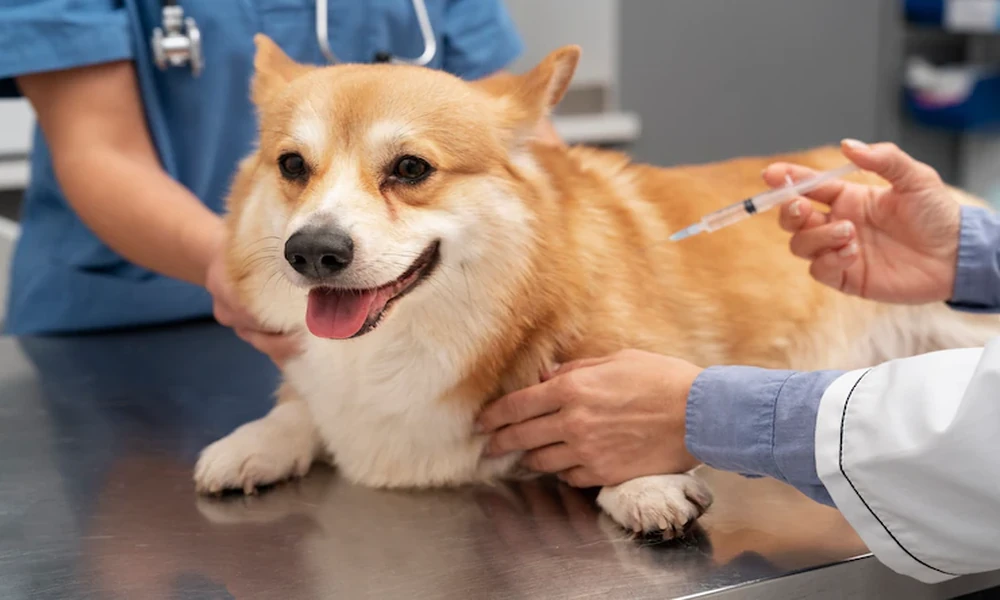
Imagine walking into a clinic where the staff greets your pet by name, offers you a quiet space if your animal is nervous, and speaks in a calm, steady tone. The veterinarian kneels to your pet’s level instead of towering above, gives them time to sniff, and does not rush to restrain. Before touching anything painful, they explain what they are doing and why, both to you and in a gentle voice to your animal.
Behind these small actions is a clear framework. Many clinics follow established animal welfare principles, such as the AVMA Animal Welfare Principles. These guidelines remind veterinarians to consider not only disease and injury, but also fear, stress, and the ability of each animal to live with comfort and dignity.
So where does that leave you. It means you are not asking for “too much” when you want your pet to be calm, not just treated. It means comfort is not a luxury. It is part of good medicine.
What gets in the way of comfort during vet care?
Even the kindest vet faces real challenges. Time is one. Busy clinics may have full schedules, emergencies, and staff shortages. That can lead to rushed visits, which you feel as short explanations and quick decisions.
Another challenge is pain that is easy to miss. Animals often hide discomfort. A dog with arthritis might just “slow down.” A cat with dental pain might only eat on one side. Without careful questions and a gentle exam, these signs can slip by. That can leave your pet coping silently, which is the opposite of comfort.
Then there is communication. Medical language can sound cold or confusing, especially when you are scared. If you do not understand the options, it is hard to choose what is best for your pet or ask about comfort focused alternatives, such as pain relief, anxiety medication for visits, or home care adjustments.
This is why truly caring vets work on both sides. They refine their medical skills and their ability to connect. Good care is not just about what treatment is chosen. It is about how that treatment is given.
How do general vets actually create comfort day to day?
Think of compassionate care as a set of habits that show up at every step.
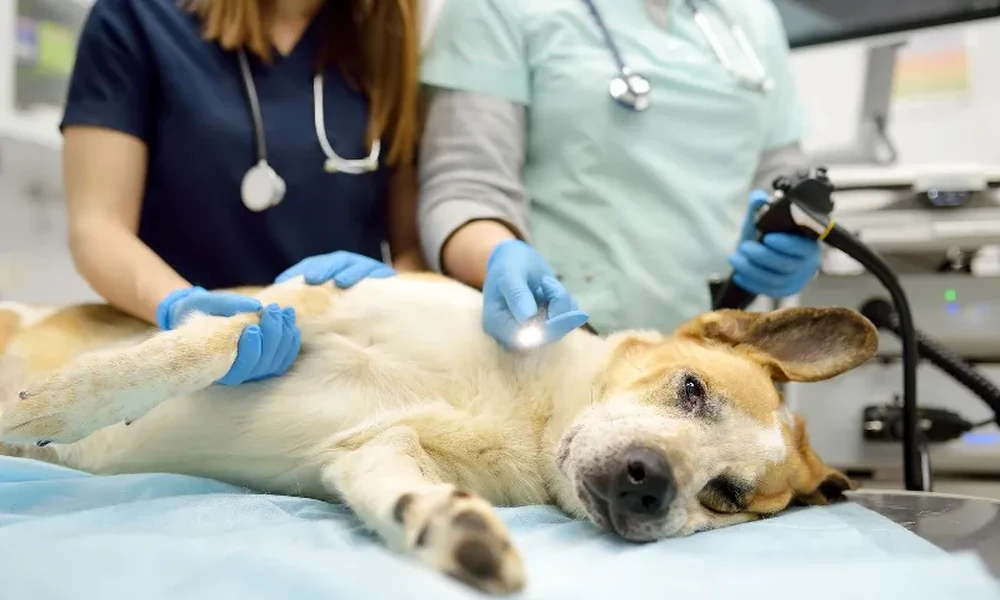
During exams, a thoughtful vet uses low-stress handling. That might mean examining your dog on the floor instead of the table, using treats or toys, or giving a cat time to stay in the bottom of the carrier while they talk. For some animals, it means pre-visit calming medication so the experience is not terrifying.
With pain, a comfort-focused vet stays on the front foot. They recommend pain relief before and after surgery, not only “if needed.” They check mobility, appetite, sleep, and mood at regular visits, and they adjust medication or lifestyle when your pet starts to slow down. They do not wait for a crisis.
With serious illness, they talk openly about quality of life. They help you notice changes in joy, appetite, social behavior, and comfort. Many follow welfare guidance such as these animal welfare principles to balance treatment with kindness. You are invited into that discussion, not pushed to the side.
Most of all, they listen. They ask what your pet is like at home, what you have noticed, and what you are afraid of. When you say “something feels off,” they do not brush it away. That partnership is where true comfort begins.
What are your options for comfort focused veterinary care?
You might be wondering how to tell whether your current care really centers comfort, or if you should look for something different. The table below gives a simple comparison of common experiences and what a compassion driven approach can look like.
| Care Aspect | Standard Clinic Experience | Comfort Focused General Vet |
|---|---|---|
| Waiting and check in | Crowded lobby, long waits, little guidance | Efforts to separate anxious pets, clear updates, calm staff tone |
| Handling during exam | Quick restraint, limited use of treats or breaks | Low stress handling, patience, treats or toys, breaks when needed |
| Pain management | Pain relief mainly for surgery or severe issues | Proactive pain control for arthritis, dental disease, surgery, and recovery |
| Communication with you | Short explanations, heavy medical terms | Plain language, time for questions, written summaries when needed |
| End of life and serious illness | Focus mostly on treatment options and test results | Honest talk about quality of life, comfort, and your emotional needs |
If your current experience feels more like the left column, it does not mean your vet does not care. It might mean they are busy, or that you have not yet had a chance to talk about comfort as a shared priority. That conversation can change a lot.
What can you do right now to support your pet’s comfort?
1. Prepare a “comfort checklist” before each visit
Before your next appointment, write down what you see at home. Is your pet slower on stairs. Do they hesitate before jumping. Are they hiding more or snapping when touched. Bring this list and hand it to the vet at the start of the visit. It helps focus the exam on comfort, not just vaccines or routine checks.
2. Ask clear questions about pain and stress
During the visit, use simple direct questions. “Could my pet be in pain, even if they are not crying.” “What can we do to reduce stress at future visits.” “Are there home changes or medications that would make them more comfortable.” You are not being difficult. You are being your pet’s voice.
3. Build a shared plan for ongoing comfort
Comfort is not a one time fix. Ask your vet to help you create a simple plan. That might include regular check ins for mobility, weight, and behavior, a home environment review such as softer bedding or ramps, and a clear guideline for when to call, for example sudden changes in appetite, breathing, or behavior. This turns worry into action and gives you a sense of control.
Moving forward with compassionate care for your pet
You care deeply about your animal, and it is normal to feel torn between fear of bad news, concern about cost, and the wish to do what is best. A caring general vet understands that tension. They aim to protect your pet’s comfort through gentle handling, thoughtful pain control, and honest, kind conversations with you.
You do not have to accept rushed, confusing visits as the norm. You can ask for comfort centered care. You can switch clinics if you need to. Most of all, you can trust that your questions about your pet’s well being are not only allowed. They are welcome. Your voice is a powerful part of your animal’s care, and with the right partner, that care can be both medically sound and deeply compassionate.