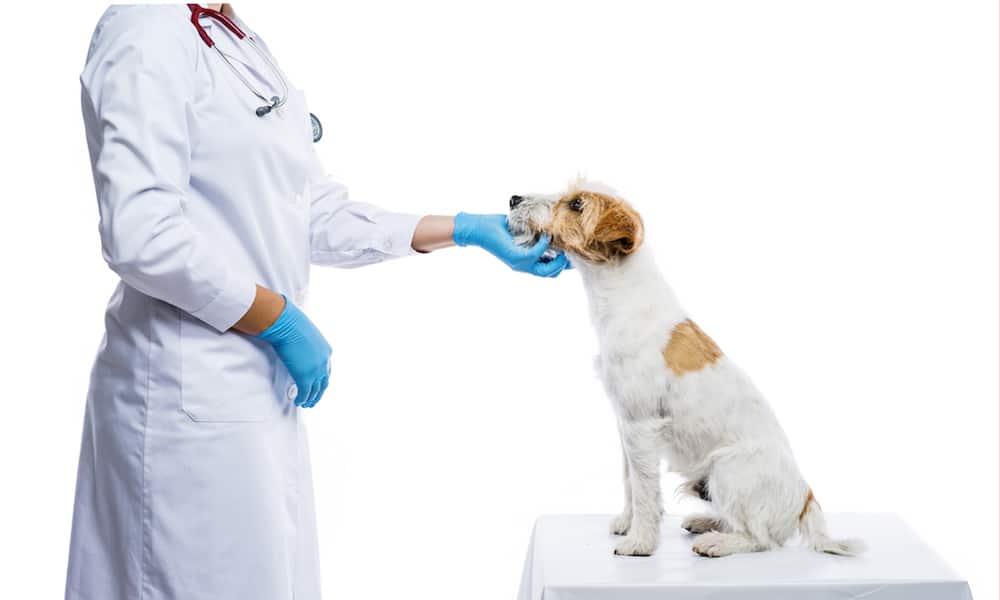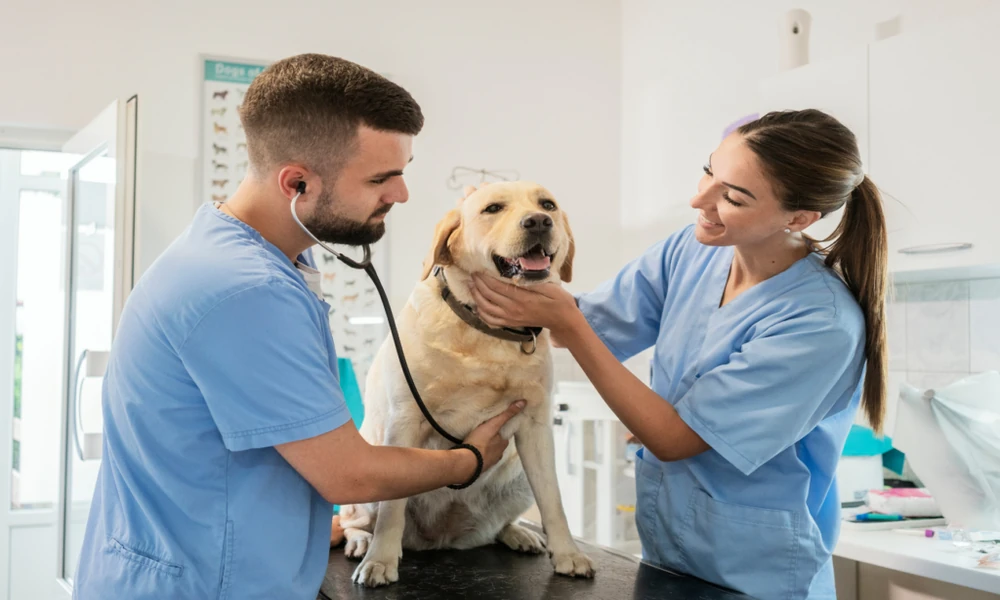
You know your pet better than anyone, which is why small changes can weigh on you. Maybe your dog seems a little less playful, your cat is eating more slowly, or you keep wondering whether that scratching is normal or the start of something bigger. Between appointments, it is easy to feel stuck between wanting to stay calm and not wanting to miss an early sign that something is wrong, which is why visiting an Oakville animal hospital can offer reassurance and guidance.
That tension is real, especially when you are trying to do the right thing without turning every small change into a crisis. The good news is that caring for your pet between checkups does not have to feel confusing. A few steady habits can help you spot problems sooner, support daily wellness, and know when it is time to call a general veterinarian. In simple terms, the best pet health management between vet visits comes down to watching behavior, keeping routines consistent, preventing common risks, and acting early when something feels off.
What makes pet care between checkups harder than it looks?
Most health issues do not begin with a dramatic emergency. They begin quietly. A pet drinks a little more water than usual. A stool looks different for two days. A collar suddenly fits tighter. Because these shifts can seem minor, it is tempting to wait and see. Sometimes that is reasonable. Sometimes it leads to a bigger problem, a higher bill, and a pet that has been uncomfortable longer than needed.
So, where does that leave you? Usually somewhere in the middle. You do not need to panic over every sneeze, but you do need a system. Good pet wellness tips are not about doing everything at once. They are about noticing patterns and making home care easier to manage.
How can you support better pet health at home every day?
1. Watch for changes in eating, drinking, and bathroom habits. These are often the first clues that something is shifting. If your pet suddenly eats less, begs for more food, vomits, has diarrhea, urinates more often, or strains to go, write it down. A one-day change may not mean much. A pattern over several days often does.
2. Keep up with parasite prevention and coat checks. Fleas and ticks are more than an annoyance. They can spread illness and cause skin problems that become harder to treat if missed. After walks or outdoor play, check your pet’s skin, paws, and ears. The CDC offers practical advice on preventing ticks on pets, which can be especially helpful during warm months.
3. Protect food and water safety. It is easy to overlook bowls, storage bins, and treat containers, but these can affect your pet’s health. Wash food and water dishes daily, store food properly, and pay attention to recalls. If you feed raw or refrigerated items, handling matters even more. The CDC shares useful guidance on pet food safety that can help lower the risk of illness.
4. Stay current on exercise and weight checks. Weight gain often creeps up slowly, and pets can seem normal even when extra pounds start to strain joints, breathing, and energy. Weigh your pet at home if you can, or use a pet scale at a local store or clinic. If the number changes or you notice less stamina, that is worth tracking.
5. Make dental care part of the routine. Bad breath is not just bad breath. It can be a sign of dental disease, which can affect comfort, eating, and overall health. Brushing a few times a week, using approved dental chews, and checking for red gums or broken teeth can make a real difference.
6. Learn your pet’s normal mood and movement. Some pets hide pain well. A dog that hesitates before jumping into the car or a cat that stops using a favorite perch may be telling you more than you think. Changes in sleep, social behavior, grooming, or movement often matter as much as physical symptoms.
When should you monitor at home, and when should you call a general veterinarian?
This is where many owners feel unsure. If your pet has mild symptoms for a short time but is still eating, drinking, and acting mostly normal, careful observation may be enough. But if symptoms last, worsen, or come with pain, lethargy, trouble breathing, repeated vomiting, or bleeding, it is time to contact a veterinary clinic.
Need a simple way to think about it? This table can help.
| Situation | Home Monitoring May Be Reasonable | Call a General Veterinarian |
|---|---|---|
| Appetite | One slightly smaller meal, still drinking and acting normal | Refuses food for 24 hours, especially with vomiting or weakness |
| Digestion | One mild loose stool, no other symptoms | Diarrhea lasting more than a day, blood in stool, repeated vomiting |
| Skin and scratching | Brief scratching after outdoor time, no redness | Ongoing itching, hair loss, sores, visible fleas or ticks |
| Energy | More tired after heavy activity | Lethargy, hiding, trouble standing, sudden behavior change |
| Breathing | Normal recovery after exercise | Coughing, wheezing, labored breathing, blue gums |
For broader everyday guidance, the CDC also offers a helpful overview on healthy habits for dogs and the people who love them. Even if your pet seems healthy, prevention often saves stress later.
What are three steps you can take today to make pet health easier to manage?
Start a simple health log. Write down appetite, water intake, bathroom changes, medications, weight, and any unusual behavior. You do not need anything fancy. Notes on your phone work well. This gives you a clearer picture and makes it easier to explain changes if you need veterinary care.
Build a weekly five-minute check. Look at ears, eyes, teeth, paws, skin, and body shape once a week. Feel for lumps, check for redness, and notice whether your pet seems sore when touched. These short check-ins often catch issues before they grow.
Review your prevention plan. Make sure flea, tick, heartworm, and vaccine schedules are up to date, and confirm food storage and exercise routines still fit your pet’s age and needs. This is one of the most practical forms of managing pet health between veterinary visits because it lowers risk before symptoms even begin.
How do you stay calm while still taking pet symptoms seriously?
You do not have to choose between overreacting and ignoring your instincts. Paying attention, keeping records, and knowing a few clear warning signs can help you feel more grounded. That matters, because your pet depends on your calm as much as your care.
If something seems unusual and does not improve, reach out to a general veterinarian. A quick call can give you direction, peace of mind, and a better chance of addressing problems early. Caring for a pet is full of small decisions, but you do not have to make them blindly. Steady habits, close observation, and timely support go a long way.