You might not think much about an animal hospital until the day your pet will not eat, starts limping, or wakes you up in the middle of the night with a problem that feels too serious to ignore. In that moment, it is easy to feel torn between worry, cost, and the fear of overreacting. Before the visit, you may be guessing and hoping it passes. After the visit, you usually want one thing most of all, which is clarity. The good news is that many of the fears people carry about animal hospital care come from myths, not facts. 3 Myths About Animal Hospital Services Debunked comes down to this. Animal hospitals are not only for worst case emergencies, they are not always out of reach financially, and they are not places where routine concerns get ignored, especially when seeking veterinary care for dogs and cats in Ogden.
Because of that tension, you might wonder whether you really need professional care, or whether waiting is the kinder and cheaper choice. That question makes sense. Pets cannot explain what hurts, and when you are trying to read body language, appetite, energy, and breathing all at once, even small signs can feel loaded with meaning.
Is an animal hospital only for true emergencies?
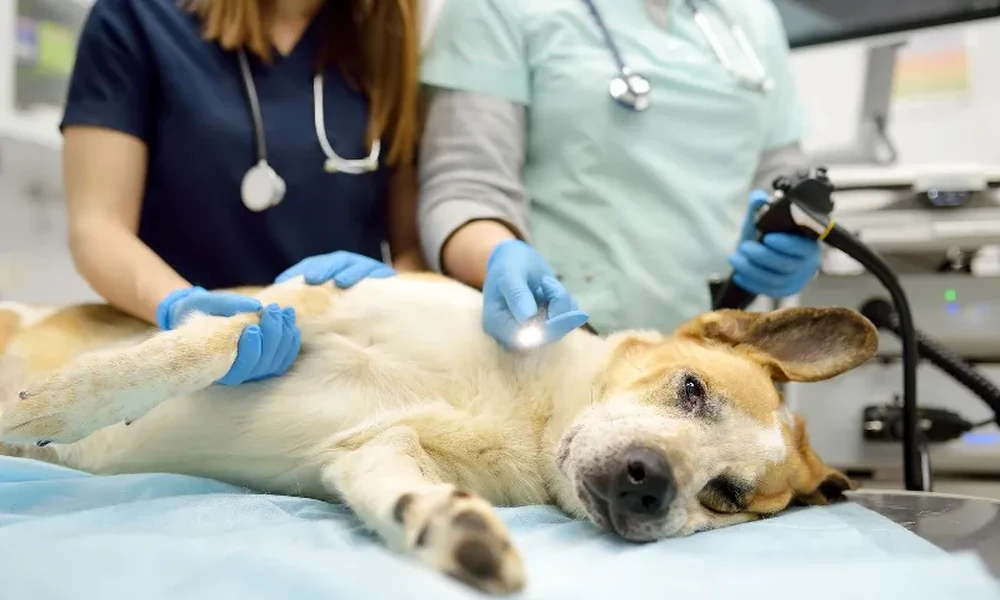
This is one of the most common misunderstandings. Many people hear “hospital” and picture only severe trauma, surgery, or a crisis in the middle of the night. But an animal hospital often provides a wider range of care than people expect, including diagnostics, urgent assessments, monitoring, and treatment for conditions that may not look dramatic at first.
The problem is that pets often hide pain. A dog with a stomach issue may simply seem quiet. A cat with breathing trouble may just appear withdrawn. According to the CDC guidance on keeping dogs healthy, regular veterinary care plays a key role in preventing illness and catching problems early. That matters because what seems minor at home can become harder, and more costly, to treat if it is left alone too long.
So where does that leave you? It means an animal hospital is not just a last stop. It can be the right place when your pet’s symptoms are new, worsening, or hard to read.
Do animal hospital services always cost more than they are worth?
This myth often grows out of fear, and that fear is understandable. When your pet is sick, the thought of tests, imaging, or treatment can make you brace for a bill before you even know what is wrong. That can lead people to delay care, try home fixes, or hope for improvement without support.
The harder truth is that waiting can sometimes cost more. A mild infection may need a simple exam and medication early on, but if it spreads, the care may involve more testing, longer treatment, and more stress for both you and your pet. The same pattern shows up with dehydration, intestinal problems, and wounds.
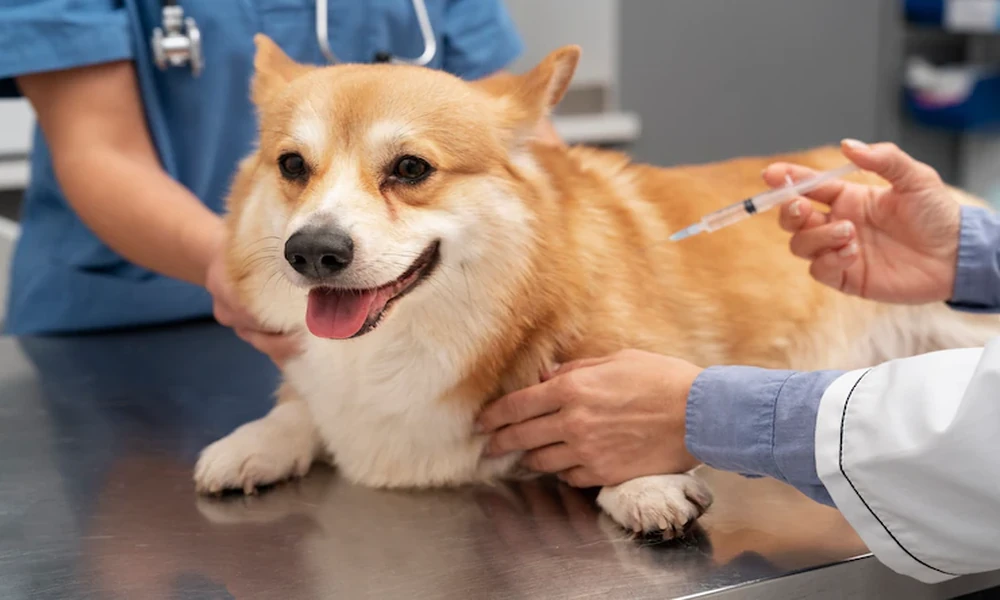
That does not mean every visit turns into an expensive process. It means good care often starts with a focused exam and a plan. In many cases, the purpose of the visit is not to push treatment. It is to sort out what is urgent, what can wait, and what options make sense for your budget and your pet’s condition. That is one reason animal hospital care myths can be so harmful. They make people assume the worst before they have the facts.
Will my pet get lost in the system at an animal hospital?
Many pet owners worry that a hospital setting will feel cold or rushed, especially compared with a smaller clinic visit. You may picture your pet as one of many cases, with no time for careful attention. But the reality is often the opposite. Hospitals are built to assess changing conditions, respond quickly, and monitor pets who need closer observation.
If your pet has a sudden breathing issue, severe vomiting, collapse, or a possible toxin exposure, timely evaluation matters. Cornell’s overview of emergency and critical care services shows how hospital teams manage urgent cases with monitoring, diagnostics, and treatment that standard home care simply cannot provide.
And it is not only for dramatic emergencies. If your pet is uncomfortable, not acting like themselves, or showing signs that are hard to explain, a hospital setting can help connect those dots faster. That is the value of an animal medical hospital. It brings together tools, staff, and observation in one place.
What does waiting versus getting care really look like?
Sometimes the clearest way to cut through worry is to compare the likely paths side by side.
| Situation | Wait and See | Animal Hospital Visit |
|---|---|---|
| Vomiting for several hours | Risk of dehydration or missed blockage | Exam can help rule out urgent causes and guide treatment |
| Limping that starts suddenly | Pet may keep using an injured limb and worsen it | Pain assessment and imaging can identify strain, fracture, or joint issue |
| Breathing changes | Symptoms may become severe quickly | Monitoring and oxygen support may be available right away |
| Not eating for a day or more | Can signal pain, illness, or digestive trouble | Exam and testing can narrow the cause before it escalates |
This does not mean every symptom is a crisis. It means uncertainty has a cost too. When you are looking at your pet and thinking, “Something is off, but I cannot prove it,” that is often the moment when professional guidance helps most.
What can you do right now if you are unsure?
1. Track the change, not just the symptom. Write down when the problem started, how often it is happening, and what else changed with it. Appetite, water intake, bathroom habits, movement, and breathing all matter. A short timeline can help a veterinary team spot patterns quickly.
2. Look for red flags that should not wait. Trouble breathing, repeated vomiting, collapse, swelling, seizures, toxin exposure, or signs of severe pain deserve prompt attention. If your pet seems distressed or rapidly worse, trust that signal.
3. Call before the situation grows. You do not need to have the diagnosis before reaching out. You only need enough concern to ask the next question. A quick call can help you decide whether home monitoring is reasonable or whether your pet should be seen soon.
What should you remember when fear and myths start taking over?
When your pet is hurting, confusion can make everything feel heavier. You may worry about overreacting, overspending, or choosing the wrong kind of care. But most of the time, the kindest next step is not guessing longer. It is getting clear information.
Common myths about veterinary hospital services often make people wait when they do not need to. The truth is simpler. Animal hospitals are there to assess problems early, respond when symptoms change fast, and help you make informed choices without adding shame to an already stressful moment.
If your pet is showing signs that concern you, do not ignore that instinct. Reach out to a trusted animal hospital and get the answers you need.